Vitamin E: Cellular Protection and Skin Health
Vitamin E is the body's primary fat-soluble antioxidant, protecting cell membranes from oxidative damage throughout your entire body. From preserving skin health to supporting immune function and potentially reducing chronic disease risk, vitamin E plays vital roles in maintaining cellular integrity as we age.
What makes vitamin E unique is its location within cell membranes, where it intercepts free radicals before they can damage polyunsaturated fatty acids—the vulnerable building blocks of every cell membrane in your body. This protective function is foundational to healthy aging.
Antioxidant Protection
Vitamin E's primary function is protecting polyunsaturated fatty acids (PUFAs) in cell membranes from oxidative damage:
- Chain-breaking antioxidant: Interrupts lipid peroxidation chain reactions
- Cell membrane protection: Guards the phospholipid bilayer of every cell
- LDL protection: Prevents oxidation of LDL cholesterol, potentially reducing atherosclerosis
- Vitamin C synergy: Vitamin C regenerates oxidized vitamin E, extending its protective capacity
- Selenium partnership: Works with glutathione peroxidase for comprehensive antioxidant defense
Oxidative Stress and Aging: The free radical theory of aging proposes that accumulated oxidative damage contributes significantly to the aging process. As a primary antioxidant, vitamin E may help slow this damage. While high-dose supplementation hasn't proven to extend lifespan, maintaining adequate vitamin E status appears important for healthy aging.
Skin Health
Vitamin E is one of the most important nutrients for skin health, working both internally and topically:
- UV protection: Helps neutralize free radicals generated by sun exposure
- Moisture retention: Supports skin barrier function and hydration
- Anti-inflammatory: Reduces skin inflammation and redness
- Wound healing: Supports tissue repair and scar reduction
- Age spot prevention: May help prevent lipofuscin accumulation (age pigment)
Immune Function
Vitamin E is essential for optimal immune function, particularly important as immune function naturally declines with age:
- T-cell function: Enhances T-cell proliferation and activity
- Antibody production: Supports B-cell function and immunoglobulin synthesis
- Reduced infection risk: Higher vitamin E associated with fewer respiratory infections in elderly
- Vaccine response: May improve immune response to vaccinations
Research in Aging: A study in the Journal of the American Medical Association found that vitamin E supplementation (200 IU daily) reduced the incidence of upper respiratory infections in nursing home residents by 20%. The immune-enhancing effects appear most pronounced in older adults.
Forms of Vitamin E
Tocopherols
- Alpha-tocopherol: The most biologically active form; preferentially retained in the body
- Beta-tocopherol: Less active but contributes to antioxidant pool
- Gamma-tocopherol: Major dietary form in the US; unique anti-inflammatory properties
- Delta-tocopherol: Least common; may have potent antioxidant activity
Tocotrienols
Less studied than tocopherols but showing promising benefits for cardiovascular health, brain protection, and potentially cancer prevention. Found primarily in palm oil, rice bran, and annatto.
Natural vs Synthetic
Natural vitamin E (d-alpha-tocopherol) is about twice as bioavailable as synthetic (dl-alpha-tocopherol). Check labels: "d-" indicates natural, "dl-" indicates synthetic.
Best Food Sources
Wheat Germ Oil
20 mg per tablespoon. The richest source—provides 100%+ of daily needs.
Sunflower Seeds
7.4 mg per 1/4 cup. Excellent snack source with healthy fats.
Almonds
7.3 mg per 1 oz. Popular nut source with protein and fiber.
Hazelnuts
4.3 mg per 1 oz. Good source with distinct flavor.
Spinach
3.7 mg per cup cooked. Best vegetable source.
Avocado
2.7 mg per fruit. Whole food source with healthy fats.
Vitamin E and Longevity
Optimal vitamin E status supports healthy aging through multiple mechanisms:
- Cellular protection: Guards cell membranes throughout the body from oxidative damage
- Brain health: Protects neuronal membranes; may reduce cognitive decline
- Heart health: Helps prevent LDL oxidation and supports vascular function
- Eye health: Part of the AREDS formula shown to slow macular degeneration
- Immune maintenance: Preserves immune function with advancing age
Recommended Vitamin E Supplement
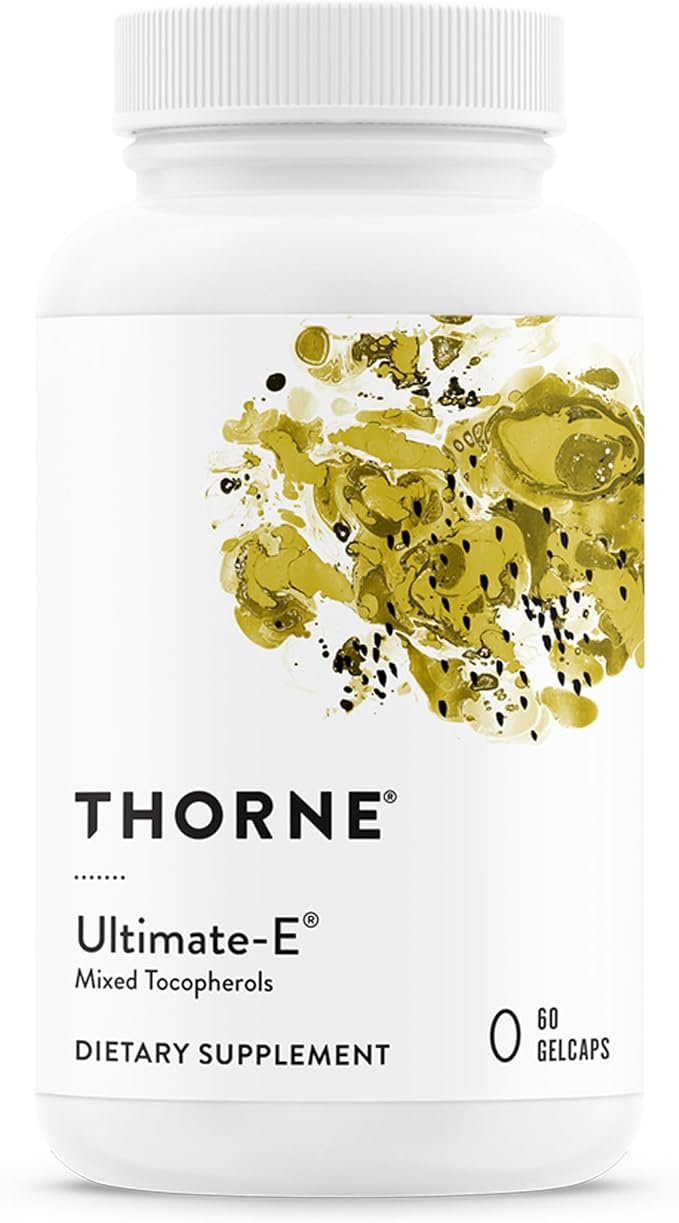
Thorne Ultimate-E (Mixed Tocopherols)
Contains all eight natural forms of vitamin E (four tocopherols and four tocotrienols) for comprehensive antioxidant protection. Unlike synthetic or single-form supplements, Ultimate-E provides the full spectrum of vitamin E as found in nature. NSF Certified for Sport, gluten-free, and soy-free. 60 gelcaps.