Vitamin A: Vision, Immunity, and Skin Health
Here's something most articles get wrong about vitamin A: there are two of them. They're not the same thing. The cheap multivitamin in your kitchen drawer probably has the wrong one for you, or has too much of the right one and is quietly building up toxicity in your liver.
Get the form right and vitamin A is one of the most legitimately powerful nutrients in the longevity stack — sharper vision, stronger immune response, less wrinkled skin, fewer breakouts. Get it wrong and you either feel nothing (because you can't convert it) or end up with headaches, dizziness, and a stressed liver.
Below: which form for which goal, who actually needs to supplement, the smoker caveat that nearly every article skips, and the foods that beat any pill.
Vision — the night-blindness test
Vitamin A makes rhodopsin, the protein in your retina that lets you see in low light. If you're squinting in dim restaurants, struggling to drive at night, or your eyes take 30+ seconds to adjust when you walk into a dark room — that's textbook early vitamin A deficiency. Long before any blood test flags it.
It also keeps your cornea hydrated and protected. Dry, gritty eyes that won't go away aren't always allergies — sometimes they're vitamin A status.
Research Highlight: The AREDS2 follow-up trial (published 2025) confirmed that older adults with adequate vitamin A and carotenoid status had measurably slower progression of age-related macular degeneration (AMD), one of the top causes of blindness over 60. The protective effect was strongest in those who got vitamin A from food, not high-dose pills. Sleep quality matters too — eye recovery happens at night.
Immunity — the underrated lever
Vitamin A used to be called the "anti-infection vitamin" before antibiotics stole the spotlight. It's still doing that work — quietly. Here's what it actually does:
- Maintains barriers: your skin, gut lining, respiratory tract, and urinary tract — the borders pathogens have to breach. Low vitamin A = leakier borders = more infections.
- Powers white blood cells: lymphocytes, neutrophils, NK cells all need it to mature and function
- Tunes inflammation: regulates immune response so it doesn't overshoot and damage your own tissue
- Boosts antibody production: helps your body actually remember pathogens after exposure
Skin — the one place vitamin A genuinely shines
Forget every other supplement that promises to fight wrinkles. Topical retinoids — vitamin A derivatives — are the most evidence-backed anti-ageing compounds in dermatology. Forty years of clinical trials. Multiple gold-standard studies. They work.
Here's what they actually do to your skin:
- Speed up cell turnover: dead skin cells shed faster, fresh cells surface more often → skin looks brighter
- Stimulate collagen: fibroblasts produce more — measurably reduces fine lines
- Normalise sebum: reduces acne breakouts without drying skin out
- Fade hyperpigmentation: inhibits the enzyme (tyrosinase) that makes dark spots
- Refine texture: smaller-looking pores, smoother surface
Clinical Evidence: Multiple 2024-2025 trials published in JAMA Dermatology and Journal of Dermatological Treatment show topical retinoids reduce fine lines by 35-44% in 12 weeks of nightly use. Prescription tretinoin (Retin-A) outperforms over-the-counter retinol about 2-3x but has more irritation. Combining topical with dietary vitamin A from food sources gives the best results.
Practical: if anti-ageing is your goal, the topical retinoid (cream/serum) does more visible work than any oral vitamin A capsule. Adequate dietary vitamin A is the foundation, but the cream is where the visible win is. We covered the inside-out beauty stack here — diet first, then topical, in that order.
Best Food Sources of Vitamin A
Food beats pills here, almost always. Variety beats single sources. RDA: 900 mcg men, 700 mcg women — but that's the floor for "not deficient", not the ceiling for "actually thriving".
Preformed Vitamin A (Retinol) — animal sources, immediately usable
Liver (Beef)
6,582 mcg per 3 oz serving—the richest natural source. Weekly consumption provides excellent Vitamin A status.
Cod Liver Oil
4,500 mcg per tablespoon. Traditional supplement with additional omega-3 benefits.
Eggs
75 mcg per large egg. Yolks contain readily absorbable retinol.
Dairy Products
Butter, cheese, and whole milk provide moderate amounts in bioavailable form.
Provitamin A (Beta-Carotene) — plant sources, requires conversion
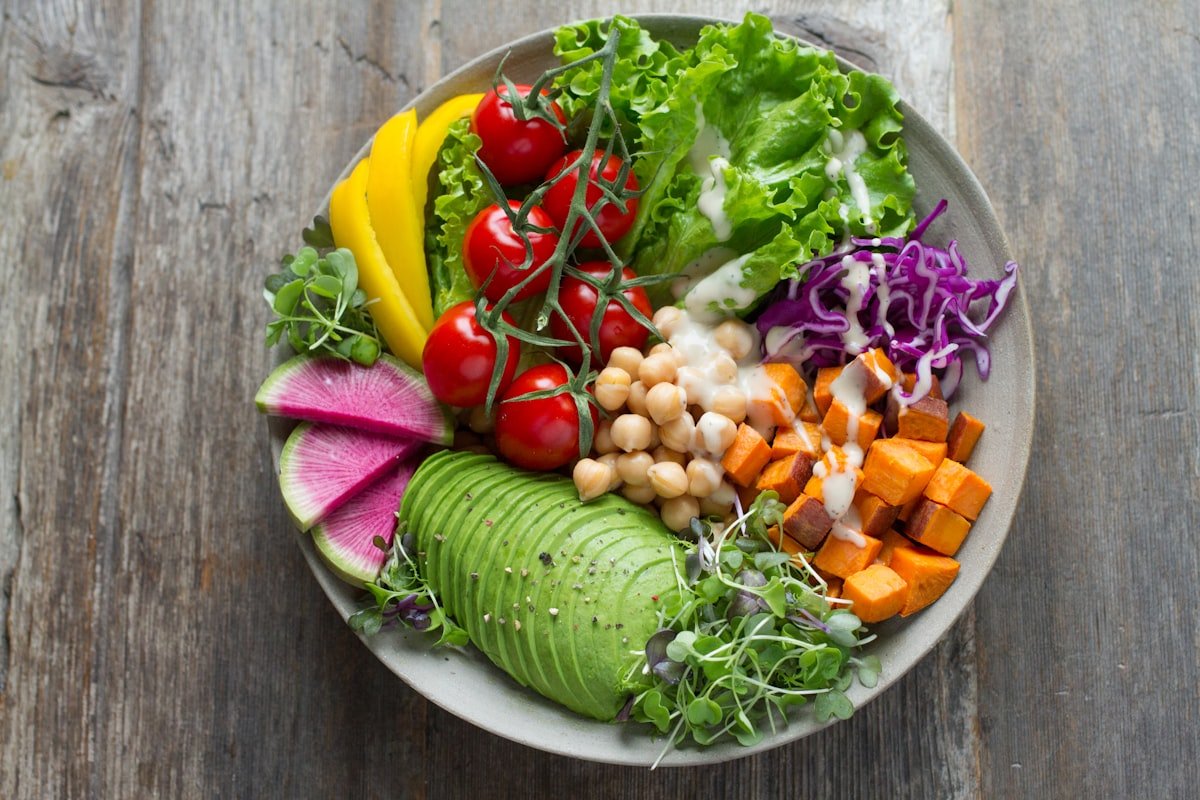
Sweet Potatoes
1,403 mcg RAE per cup. One of the highest plant sources of beta-carotene.
Carrots
835 mcg RAE per cup raw. Classic source with excellent absorption when cooked with fat.
Spinach & Kale
573-885 mcg RAE per cup cooked. Dark leafy greens provide substantial beta-carotene.
Butternut Squash
1,144 mcg RAE per cup. Versatile winter squash with excellent nutrient density.
Absorption — fat-soluble means you need fat
Eating a raw carrot stick on its own delivers almost no usable beta-carotene. Cook it in butter or olive oil and bioavailability jumps 3-6x. Vitamin A is fat-soluble — without dietary fat in the same meal, it slides through your gut unabsorbed.
- Cook your vegetables in fat: olive oil, butter, ghee — gentle heat breaks down cell walls and the fat carries the carotenoids in
- Pair plant sources with fat: spinach with feta and olive oil, sweet potato with butter, carrots with hummus
- Gut health matters: Crohn's, coeliac, IBS, or recent antibiotic use all reduce absorption
- Zinc is the partner: zinc is required to mobilise vitamin A out of liver storage. Low zinc = stuck stores. More on minerals here.
- Don't combine with excessive fibre: a fibre-bomb meal blunts carotenoid absorption
Signs you're not getting enough
Deficiency creeps in slowly because your liver hoards vitamin A. By the time blood levels drop, stores are nearly empty. Watch for these earlier signals:
- Night blindness: dim restaurants feel pitch black, eyes take ages to adjust to darkness — earliest sign
- Persistent dry eyes: not allergies, just dry — and getting worse
- Rough, scaly skin: especially on backs of arms and thighs ("keratosis pilaris" / chicken skin)
- Frequent infections: sinus, respiratory, UTIs that keep coming back
- Slow wound healing: small cuts take weeks instead of days
- Stubborn acne: breakouts that won't respond to normal treatments
Who actually needs to supplement (and the smoker caveat)
Most healthy adults eating a varied diet don't need a vitamin A pill. The four groups that genuinely benefit:
- Fat malabsorption conditions: coeliac, Crohn's, cystic fibrosis, post-bariatric surgery — your gut isn't grabbing the nutrient even when food is fine
- Strict vegans: beta-carotene conversion is variable, and some people convert at 5% efficiency. If you're plant-only and starting to see deficiency signs, check labs
- BCMO1 gene variants: ~30-50% of people carry variants that cripple beta-carotene-to-retinol conversion. Genetic testing flags this
- Older adults: absorption efficiency drops in your 60s+
Toxicity (preformed retinol only): the upper limit is 3,000 mcg/day for adults. Above that, retinol accumulates in the liver. Symptoms of overdose: headache, dizziness, nausea, blurred vision, dry skin, and in severe cases, liver damage. Pregnant women have a hard ceiling at 1,500 mcg/day because high retinol is teratogenic. Beta-carotene doesn't cause toxicity — excess just converts to harmless carotenoids that can tint your skin slightly orange (carotenemia).
Vitamin A and Longevity
The honest longevity case for vitamin A is narrow but real:
- Vision preservation: AMD progression is slower with adequate status — see AREDS2
- Skin barrier function: healthy skin = first line of defence against environmental damage and infection
- Immune resilience: recurring infections accelerate biological ageing — vitamin A keeps the gates closed
- Gene expression: retinoic acid regulates hundreds of genes involved in cell differentiation. This is real biology, not woo
- Mucosal integrity: gut, lung, and reproductive tract linings all need vitamin A to stay intact
The key is balance — enough from diverse sources, never excess from supplements unless clinically indicated. Where vitamin A fits in the broader stack covered here.
NOW Vitamin A 10,000 IU
100 Softgels
Free Prime shipping
Affiliate link
Related Articles
- Vitamin C: Immune Support and Antioxidant Power
- Vitamin D: Bone Health and Immune Function
- Vitamin E: Cellular Protection and Skin Health
- Best Collagen Supplements for Anti-Aging
- Beauty From The Inside — Where Vitamin A Fits
- The Complete Longevity Stack — Where Vitamin A Sits
- Longevity Supplements: What Actually Works
- Minerals — Why Zinc Status Matters For Vitamin A Use