The Health Benefits of Zinc
What is Zinc?
Zinc is an essential trace mineral that plays a fundamental role in virtually every aspect of human health. Unlike some nutrients your body can produce or store in large quantities, zinc must be obtained regularly through diet or supplementation, making it a critical component of optimal nutrition.
This powerful mineral is involved in over 300 enzymatic reactions in the body, making it second only to iron as the most abundant trace mineral in human cells. From immune function to DNA synthesis, zinc is truly a master regulator of cellular health and longevity.
Key Functions of Zinc
- Immune System Support: Essential for immune cell development and function
- Protein Synthesis: Critical for building and repairing tissues
- DNA Synthesis: Required for genetic material production and cell division
- Wound Healing: Accelerates tissue repair and skin regeneration
- Enzyme Function: Cofactor for over 300 enzymatic reactions
- Sensory Function: Maintains taste and smell capabilities
Immune Function: Your First Line of Defense
Zinc is absolutely critical for maintaining a robust immune system. It influences multiple aspects of innate and adaptive immunity, making it one of the most important minerals for fighting infections and disease.
How Zinc Supports Immunity
- T-Cell Development: Zinc is essential for the development and function of T-lymphocytes, the frontline warriors of your adaptive immune system
- Natural Killer Cell Activity: Enhances the activity of NK cells that identify and destroy infected or cancerous cells
- Cytokine Production: Regulates inflammatory cytokines, preventing excessive inflammation while maintaining adequate immune response
- Barrier Function: Maintains the integrity of skin and mucous membranes, your body's physical barriers against pathogens
- Antiviral Properties: Has been shown to inhibit viral replication, particularly rhinoviruses that cause the common cold
Studies have shown that zinc deficiency can lead to increased susceptibility to infections, delayed immune response, and prolonged illness duration. Supplementation during the early stages of a cold may reduce symptom duration by up to 33%.
Wound Healing & Tissue Repair
Zinc plays an indispensable role in wound healing, making it crucial for recovery from injuries, surgeries, and everyday cellular damage.
Mechanisms of Healing Support
- Collagen Synthesis: Required for the production of collagen, the structural protein that forms the foundation of new tissue
- Cell Proliferation: Stimulates the division and migration of cells needed to close wounds
- Inflammation Regulation: Helps control inflammatory responses at wound sites, preventing excessive scarring
- Protein Synthesis: Enables the rapid production of proteins necessary for tissue regeneration
- Antioxidant Protection: Protects healing tissues from oxidative damage
Clinical studies have demonstrated that zinc supplementation can accelerate wound healing in patients with deficiencies, particularly in cases of chronic wounds, burns, and post-surgical recovery.
Protein Synthesis & DNA Synthesis
At the cellular level, zinc is absolutely essential for two of life's most fundamental processes: protein synthesis and DNA synthesis.
Protein Synthesis
Zinc is required for the function of ribosomes, the cellular machinery that assembles amino acids into proteins. Without adequate zinc, your cells cannot effectively:
- Build new muscle tissue
- Produce enzymes and hormones
- Repair damaged tissues
- Maintain cellular structures
- Support growth and development
DNA Synthesis & Cell Division
Zinc is a critical component of DNA polymerase, the enzyme responsible for DNA replication. This makes zinc essential for:
- Accurate genetic material duplication during cell division
- DNA repair mechanisms that protect against mutations
- Gene expression regulation through zinc finger proteins
- Cellular growth and regeneration throughout the body
- Reproductive health and fetal development
Zinc finger proteins are a class of transcription factors that regulate the expression of hundreds of genes, influencing everything from metabolism to immune function to brain development.
Zinc, Testosterone & Hormonal Health
One of zinc's most remarkable benefits is its powerful influence on hormone production and regulation, particularly testosterone in men and reproductive hormones in both sexes.
Testosterone Production
Zinc is directly involved in testosterone synthesis and regulation:
- Enzyme Cofactor: Required for the enzymes that convert cholesterol into testosterone
- Aromatase Inhibition: May help prevent the conversion of testosterone to estrogen
- Luteinizing Hormone: Supports LH production, which signals testosterone synthesis
- Free Testosterone: Helps maintain optimal levels of bioavailable testosterone
Research shows that zinc-deficient men often experience low testosterone levels, while supplementation in deficient individuals can significantly increase testosterone production. Studies have found that just 6 months of zinc supplementation in marginally deficient older men nearly doubled their testosterone levels.
Other Hormonal Benefits
- Thyroid Function: Required for thyroid hormone production and conversion
- Growth Hormone: Supports healthy GH production and release
- Insulin Sensitivity: Enhances insulin receptor function and glucose metabolism
- Reproductive Hormones: Critical for estrogen and progesterone balance in women
- Cortisol Regulation: May help modulate stress hormone levels
Forms of Zinc: Which is Best?
Not all zinc supplements are created equal. The form of zinc you choose significantly impacts absorption, bioavailability, and effectiveness.
Zinc Picolinate
Best Overall Absorption
- Chelated with picolinic acid for superior bioavailability
- Studies show absorption rates of 20-25%, highest among zinc forms
- Minimal gastrointestinal side effects
- Ideal for therapeutic supplementation
- Recommended for: Anyone seeking maximum absorption and effectiveness
Zinc Gluconate
Popular & Well-Tolerated
- Good bioavailability with gentle digestive profile
- Commonly used in lozenges for immune support
- Cost-effective option for daily supplementation
- Widely studied in clinical research
- Recommended for: Budget-conscious users and immune support
Zinc Citrate
Balanced Option
- Moderate absorption rate (approximately 15-20%)
- Well-tolerated with low side effect profile
- Stable and widely available
- Good middle-ground choice
- Recommended for: Daily maintenance supplementation
Other Forms to Consider
- Zinc Glycinate: Highly absorbable and gentle on the stomach
- Zinc Monomethionine: May offer enhanced absorption and athletic benefits
- Zinc Acetate: Effective for immune support but less bioavailable for systemic use
Avoid: Zinc oxide and zinc sulfate generally have the lowest bioavailability and highest potential for digestive upset.
Food Sources of Zinc
While supplementation can be beneficial, obtaining zinc from whole food sources provides additional nutrients and cofactors that enhance absorption and utilization.
Top Zinc-Rich Foods
- Oysters: 74mg per 3-oz serving (the richest source by far)
- Beef: 7mg per 3-oz serving of chuck roast
- Crab: 6.5mg per 3-oz serving of Alaska king crab
- Pork Chops: 2.9mg per 3-oz serving
- Chicken: 2.4mg per 3-oz dark meat
- Pumpkin Seeds: 2.2mg per ounce
- Cashews: 1.6mg per ounce
- Chickpeas: 1.3mg per half-cup cooked
- Almonds: 0.9mg per ounce
- Oatmeal: 1.1mg per half-cup dry
Bioavailability Considerations
Animal sources of zinc are generally more bioavailable than plant sources due to:
- Absence of Phytates: Plant foods contain phytic acid, which binds zinc and reduces absorption
- Heme vs Non-Heme: Animal zinc is more readily absorbed by intestinal cells
- Protein Content: Certain amino acids in animal protein enhance zinc absorption
For Vegetarians/Vegans: Soaking, sprouting, or fermenting grains and legumes can reduce phytate content and improve zinc bioavailability. Consider consuming 50% more than the RDA to compensate for lower absorption from plant sources.
Optimal Dosage & Safety
Recommended Daily Intake
- Adult Men: 11mg per day
- Adult Women: 8mg per day
- Pregnant Women: 11mg per day
- Breastfeeding Women: 12mg per day
- Athletes: 15-25mg per day (higher needs due to losses in sweat)
Therapeutic Dosing
For specific health goals, higher doses may be beneficial:
- Immune Support: 15-30mg daily during illness
- Testosterone Optimization: 25-50mg daily (monitor copper levels)
- Acne Treatment: 30-45mg daily
- Wound Healing: 25-50mg daily during recovery
Upper Limit & Safety
Tolerable Upper Intake Level: 40mg per day from supplements (not including food sources)
Signs of Excessive Zinc Intake:
- Nausea and vomiting
- Loss of appetite
- Abdominal cramping
- Headaches
- Copper deficiency (with long-term high doses)
- Reduced immune function (ironically, too much zinc suppresses immunity)
Important Interactions
- Copper: High zinc intake can interfere with copper absorption; consider a 15:1 zinc-to-copper ratio for long-term supplementation
- Iron: Take separately from iron supplements to avoid competition for absorption
- Calcium: High calcium intake may reduce zinc absorption
- Antibiotics: Some antibiotics can bind to zinc; separate by 2-3 hours
Best Time to Take Zinc
- General Supplementation: With meals to minimize nausea
- Maximum Absorption: On an empty stomach (if tolerated)
- Immune Lozenges: At first sign of cold symptoms, every 2-3 hours while awake
Recommended Zinc Supplement
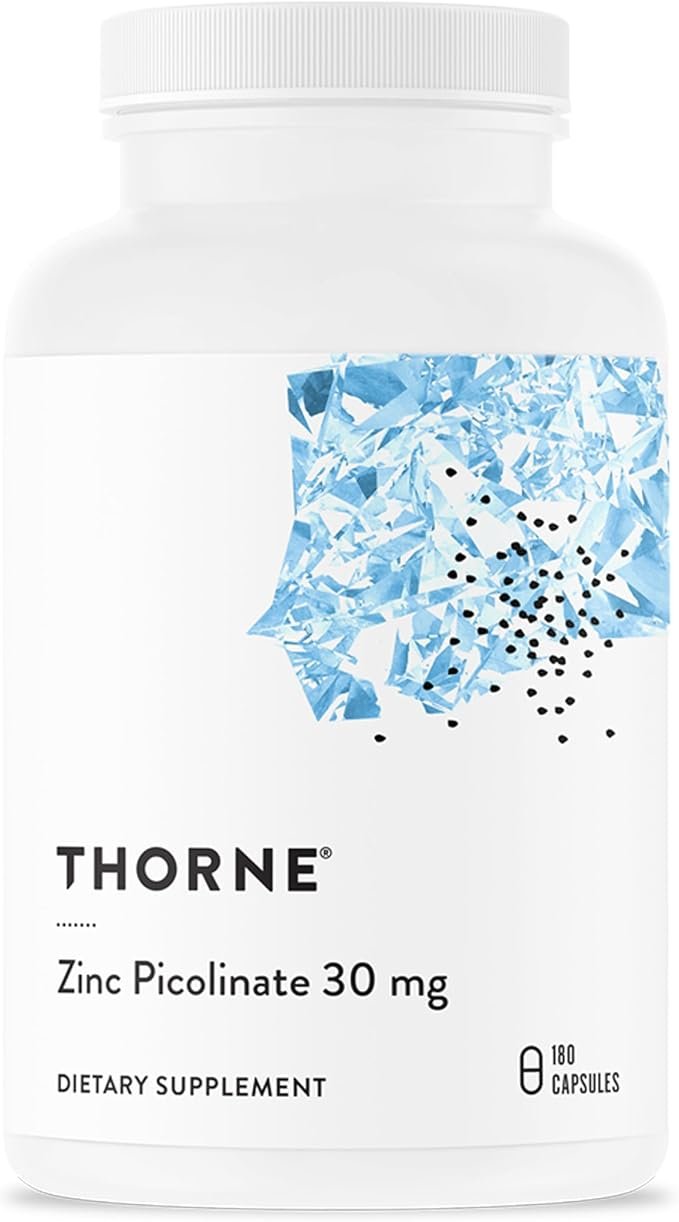
Well-absorbed zinc supplement for growth and immune function. 180 capsules from Thorne Research - trusted pharmaceutical-grade quality.
As an Amazon Associate, we earn from qualifying purchases at no additional cost to you.
The Bottom Line
Zinc is a foundational mineral for optimal health, longevity, and vitality. Its critical roles in immune function, wound healing, protein and DNA synthesis, and hormonal health make it indispensable for anyone seeking to optimize their wellbeing.
While most people can obtain adequate zinc from a balanced diet rich in animal proteins and/or properly prepared plant foods, supplementation may be beneficial for:
- Athletes and highly active individuals
- Vegetarians and vegans
- Those recovering from illness or injury
- Older adults with reduced absorption
- Men seeking to optimize testosterone levels
- Anyone with recurrent infections or slow wound healing
When supplementing, zinc picolinate offers the best absorption and bioavailability. Doses of 15-50mg daily are generally safe and effective, though it's important to stay below the 40mg upper limit for long-term use and consider copper co-supplementation for high-dose protocols.
As with any supplement, consult with a healthcare provider before beginning supplementation, especially if you have existing health conditions or take medications.