The Health Benefits of Selenium: Essential Trace Mineral for Longevity
Selenium is a powerful trace mineral that plays a crucial role in human health, acting as a key component in antioxidant defense systems and supporting numerous physiological functions. Despite being required in small amounts, selenium's impact on thyroid function, immune health, and cellular protection makes it an essential nutrient for optimal health and longevity.
Key Benefits of Selenium
- Powerful Antioxidant Defense: Essential component of glutathione peroxidase enzymes
- Thyroid Function Support: Critical for thyroid hormone metabolism and regulation
- Immune System Enhancement: Strengthens immune response and reduces inflammation
- Cancer Prevention Potential: Research suggests protective effects against certain cancers
- Heart Health: Supports cardiovascular function and may reduce heart disease risk
- Cognitive Function: Protects brain cells from oxidative damage
What is Selenium?
Selenium is an essential trace mineral that the body cannot produce on its own and must be obtained through diet or supplementation. It was first discovered in 1817 by Swedish chemist Jöns Jacob Berzelius, but its importance to human health wasn't recognized until the 1950s.
This micronutrient is incorporated into proteins to create selenoproteins, which are powerful antioxidant enzymes that protect cells from oxidative damage. The body contains approximately 15-20 mg of selenium, distributed throughout various tissues including the thyroid gland, liver, kidneys, and muscles.
The Antioxidant Role of Selenium
Selenium's most critical function is its role in antioxidant defense systems. It serves as a cofactor for several antioxidant enzymes, most notably glutathione peroxidase, which neutralizes harmful free radicals and reactive oxygen species that can damage cellular components including DNA, proteins, and lipid membranes.
Glutathione Peroxidase System
Glutathione peroxidase (GPx) is one of the body's most important antioxidant enzymes, and selenium is absolutely essential for its function. There are multiple forms of GPx throughout the body, each containing selenium at their active sites. These enzymes work by:
- Converting hydrogen peroxide and lipid peroxides into harmless water and alcohols
- Protecting cell membranes from oxidative damage
- Supporting the regeneration of other antioxidants like vitamin C and vitamin E
- Preventing oxidative stress that contributes to aging and chronic disease
Without adequate selenium, the body's glutathione peroxidase system becomes compromised, leaving cells vulnerable to oxidative damage that accelerates aging and increases disease risk.
Selenium and Thyroid Function
The thyroid gland contains more selenium per gram of tissue than any other organ in the body. This concentration reflects selenium's critical role in thyroid hormone metabolism and function.
Thyroid Hormone Production and Conversion
Selenium is essential for the production and metabolism of thyroid hormones through several mechanisms:
- Deiodinase Enzymes: Selenium-dependent enzymes convert inactive T4 thyroid hormone into active T3, the form that cells can actually use
- Thyroid Protection: Selenoproteins protect the thyroid gland from oxidative damage during hormone production
- Hormone Regulation: Helps maintain optimal thyroid hormone levels and supports metabolic function
- Autoimmune Protection: May reduce thyroid antibodies in autoimmune thyroid conditions
Research has shown that selenium deficiency can impair thyroid function and may contribute to thyroid disorders. Studies indicate that selenium supplementation may benefit individuals with Hashimoto's thyroiditis and other autoimmune thyroid conditions by reducing inflammation and antibody levels.
Immune System Support
Selenium plays a multifaceted role in supporting immune function, influencing both innate and adaptive immunity. Adequate selenium levels are essential for optimal immune response and may help protect against infections and reduce chronic inflammation.
How Selenium Enhances Immunity
- Immune Cell Function: Supports the development and function of T-cells, natural killer cells, and macrophages
- Antibody Production: Enhances the body's ability to produce antibodies in response to pathogens
- Inflammation Modulation: Helps regulate inflammatory responses and may reduce chronic inflammation
- Viral Protection: Research suggests selenium may help reduce the virulence of certain viral infections
- Vaccine Response: Adequate selenium levels may improve the body's response to vaccinations
Research Finding
Studies have found that selenium-deficient individuals may experience more severe viral infections and slower recovery times. Some research suggests that selenium supplementation may reduce the risk and severity of certain infections, including influenza and HIV progression.
Cancer Prevention Research
One of the most extensively studied potential benefits of selenium is its role in cancer prevention. While research is ongoing and results have been mixed, numerous studies suggest that adequate selenium intake may help reduce the risk of certain types of cancer.
Mechanisms of Cancer Protection
Selenium may help protect against cancer through several mechanisms:
- DNA Repair: Supports enzymes that repair damaged DNA before mutations can occur
- Antioxidant Protection: Reduces oxidative damage that can lead to cancer-causing mutations
- Apoptosis Induction: May help trigger programmed cell death in abnormal cells
- Immune Surveillance: Supports the immune system's ability to identify and destroy cancer cells
- Inflammation Reduction: Helps reduce chronic inflammation associated with cancer development
Research Evidence
Several large-scale studies have investigated selenium's role in cancer prevention:
- The Nutritional Prevention of Cancer Trial found that selenium supplementation (200 mcg daily) reduced the risk of prostate, colon, and lung cancers in participants with lower baseline selenium levels
- Meta-analyses have shown associations between higher selenium levels and reduced risk of certain cancers, particularly prostate, lung, and colorectal cancers
- However, the SELECT trial (Selenium and Vitamin E Cancer Prevention Trial) did not show cancer prevention benefits, highlighting the complexity of selenium supplementation
Important Note on Cancer Prevention
While research suggests potential cancer-preventive effects of selenium, results have been inconsistent. The benefits may depend on baseline selenium status, with the greatest effects seen in individuals who are selenium-deficient. Selenium should not be considered a cancer treatment, and high-dose supplementation beyond recommended levels is not advised.
Cardiovascular Health Benefits
Selenium contributes to heart health through its antioxidant properties and support of cardiovascular function. Low selenium levels have been associated with increased risk of heart disease, while adequate intake may help protect cardiovascular health.
- Reduces oxidative stress in blood vessels
- May help prevent LDL cholesterol oxidation
- Supports healthy blood pressure regulation
- Reduces inflammatory markers associated with heart disease
- May protect against Keshan disease, a selenium deficiency-related heart condition
Cognitive Function and Brain Health
The brain is particularly vulnerable to oxidative stress due to its high metabolic activity and oxygen consumption. Selenium's antioxidant properties help protect brain cells from damage and may support cognitive function throughout life.
Research suggests that adequate selenium levels may:
- Protect against age-related cognitive decline
- Support memory and learning functions
- Reduce the risk of neurodegenerative diseases
- Help maintain mental clarity and processing speed
Food Sources of Selenium
Dietary selenium content varies significantly based on the selenium content of soil where foods are grown. The best food sources include:
Brazil Nuts: The Selenium Superstar
Brazil nuts are by far the richest dietary source of selenium, containing an extraordinary amount of this essential mineral. Just 1-2 Brazil nuts can provide the entire daily requirement of selenium.
Brazil Nuts and Selenium
Selenium Content: One Brazil nut contains approximately 68-91 mcg of selenium, though this can vary widely depending on where they were grown. Some Brazil nuts may contain up to 400 mcg per nut. This makes Brazil nuts one of the most concentrated food sources of any nutrient.
Daily Recommendation: Eating just 1-2 Brazil nuts per day can easily meet and exceed the recommended daily intake of selenium. However, due to their extremely high selenium content, it's important not to overconsume Brazil nuts to avoid selenium toxicity.
Other Excellent Selenium Sources
- Seafood: Tuna, halibut, sardines, shrimp, salmon (30-60 mcg per serving)
- Organ Meats: Beef liver, kidney (40-70 mcg per serving)
- Poultry: Chicken, turkey (20-40 mcg per serving)
- Eggs: One egg provides about 15-20 mcg
- Whole Grains: Brown rice, whole wheat bread (varies by soil content)
- Legumes: Beans, lentils (moderate amounts, soil-dependent)
- Dairy: Cottage cheese, milk (moderate amounts)
Recommended Dosage and Supplementation
The recommended daily intake of selenium varies by age and life stage:
Daily Selenium Requirements
- Adults (19+ years): 55 mcg per day
- Pregnant women: 60 mcg per day
- Breastfeeding women: 70 mcg per day
- Children (4-8 years): 30 mcg per day
- Children (9-13 years): 40 mcg per day
- Adolescents (14-18 years): 55 mcg per day
Supplementation Guidelines
For those considering selenium supplementation, typical supplemental doses range from 55 to 200 mcg per day. Many multivitamins contain 55-70 mcg of selenium, which is often sufficient for individuals with adequate dietary intake.
Supplement Forms:
- Selenomethionine: Organic form with high bioavailability, well-absorbed
- Selenium-enriched yeast: Contains multiple forms of selenium, good bioavailability
- Sodium selenite: Inorganic form, less expensive but may be less well-absorbed
- Sodium selenate: Another inorganic form with moderate bioavailability
Who May Benefit from Supplementation?
Selenium supplementation may be particularly beneficial for individuals who:
- Live in selenium-poor soil regions
- Follow restrictive diets that limit selenium-rich foods
- Have malabsorption conditions (Crohn's disease, celiac disease)
- Are undergoing dialysis
- Have autoimmune thyroid conditions (under medical supervision)
- Have documented selenium deficiency
Selenium Toxicity: Important Safety Concerns
While selenium is essential for health, it has a relatively narrow window between beneficial and toxic doses. Consuming too much selenium can lead to selenosis, a condition of selenium toxicity that can cause serious health problems.
Upper Intake Level
The tolerable upper intake level (UL) for selenium in adults is 400 mcg per day. Chronic intake above this level increases the risk of selenium toxicity. However, some research suggests that regular intake above 200 mcg daily may have adverse effects in certain populations.
Symptoms of Selenium Toxicity
Signs of Selenosis (Selenium Toxicity)
Excessive selenium intake can cause:
- Garlic breath odor: One of the earliest signs
- Metallic taste in mouth
- Hair loss: Thinning or brittle hair
- Nail changes: Brittle, discolored, or falling nails
- Skin lesions and rashes
- Gastrointestinal distress: Nausea, vomiting, diarrhea
- Fatigue and irritability
- Nervous system effects: Numbness, tingling, tremors
- Liver and kidney damage (in severe cases)
Risk Factors for Selenium Toxicity
- Taking high-dose selenium supplements (above 200 mcg daily) without medical supervision
- Consuming excessive amounts of Brazil nuts (more than 4-5 daily)
- Taking multiple supplements that contain selenium without checking total intake
- Living in high-selenium soil regions and consuming locally grown foods plus supplements
The SELECT Trial Controversy
The Selenium and Vitamin E Cancer Prevention Trial (SELECT) raised important concerns about high-dose selenium supplementation. While the trial was designed to test cancer prevention, it was stopped early due to lack of benefit and potential harm. Some participants taking 200 mcg of selenium daily showed slightly increased risks of diabetes and other health concerns, particularly those who already had adequate selenium levels at baseline.
This highlights an important principle: more is not always better. Selenium supplementation appears most beneficial for those with deficiency or suboptimal levels, while those with adequate or high selenium status may not benefit from additional supplementation and could potentially be harmed by excessive intake.
Safe Supplementation Practices
- Don't exceed 200 mcg daily from supplements unless under medical supervision
- Consider your total selenium intake from all sources (diet plus supplements)
- If eating Brazil nuts regularly, reduce or eliminate selenium supplements
- Have your selenium levels tested before starting high-dose supplementation
- Work with a healthcare provider to determine appropriate dosing
- Watch for early signs of toxicity and reduce intake if symptoms appear
Selenium Deficiency
While selenium toxicity is a concern with excessive intake, deficiency can also cause significant health problems. Selenium deficiency is relatively rare in developed countries but can occur in certain populations and conditions.
Risk Factors for Deficiency
- Living in selenium-poor soil regions (parts of China, Eastern Europe, New Zealand)
- Following vegan diets without adequate selenium sources
- Digestive disorders affecting nutrient absorption
- Dialysis patients
- HIV infection
Consequences of Selenium Deficiency
- Keshan Disease: A potentially fatal cardiomyopathy primarily affecting children and women
- Kashin-Beck Disease: A type of osteoarthritis
- Impaired thyroid function
- Weakened immune system
- Increased oxidative stress
- Cognitive impairment
- Increased risk of certain cancers
Optimal Selenium Status for Longevity
For optimal health and longevity, the goal is to maintain selenium levels in the sweet spot—neither deficient nor excessive. Research suggests that optimal blood selenium levels for health fall in the range of 120-150 mcg/L, though optimal ranges may vary based on individual factors.
Strategies for Optimal Selenium Status:
- Include selenium-rich foods in your regular diet, particularly seafood, poultry, and eggs
- Consider eating 1-2 Brazil nuts a few times per week (not daily) as a natural supplement
- If supplementing, choose moderate doses (55-100 mcg) unless you have documented deficiency
- Consider periodic testing of selenium levels, especially if supplementing long-term
- Focus on food sources first, supplements second
- Be aware of selenium content in your multivitamin when calculating total intake
Conclusion
Selenium is a powerful trace mineral essential for antioxidant defense, thyroid function, immune support, and potentially cancer prevention. As a key component of glutathione peroxidase and other selenoproteins, selenium protects cells from oxidative damage and supports numerous physiological processes critical for health and longevity.
While selenium offers impressive health benefits, it's crucial to maintain intake within the optimal range. Both deficiency and excess can cause health problems, making it essential to be mindful of total selenium intake from all sources. For most people, consuming selenium-rich foods like Brazil nuts (in moderation), seafood, poultry, and eggs provides adequate selenium without the need for high-dose supplementation.
If you're considering selenium supplementation, especially at doses above 100 mcg daily, consult with a healthcare provider to assess your individual needs and monitor your selenium status. With the right approach, selenium can be a valuable component of a comprehensive longevity and health optimization strategy.
Recommended Selenium Supplement
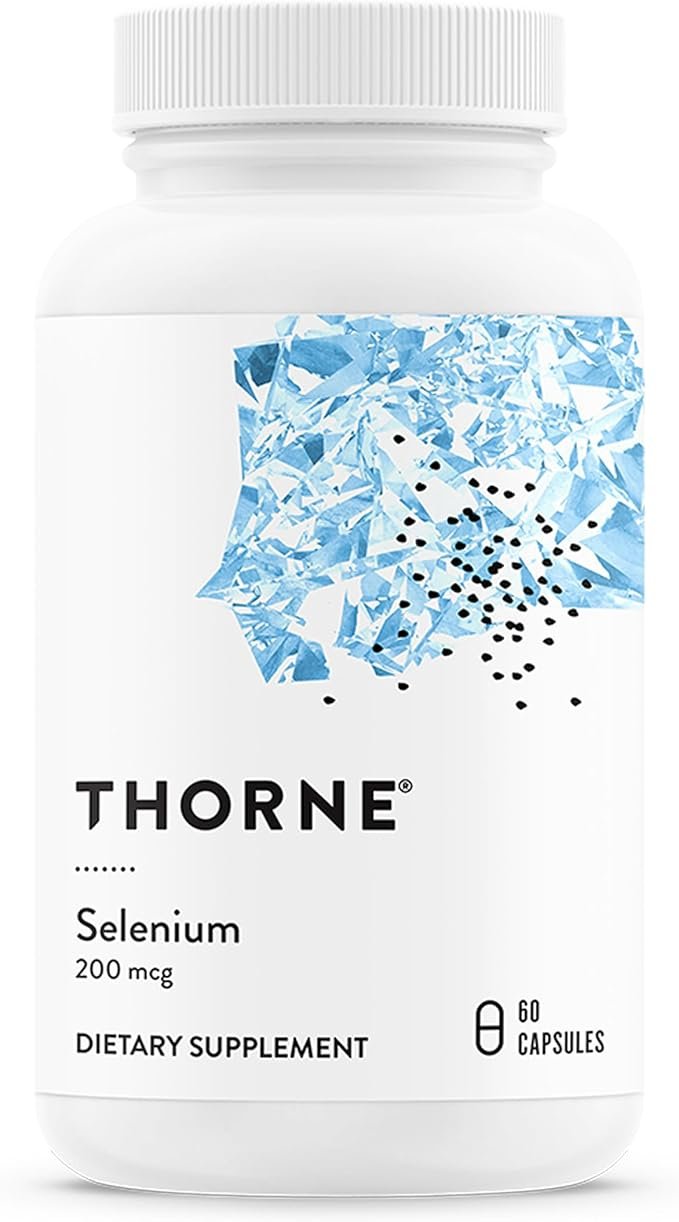
Thorne Selenium 200mcg
Selenomethionine form for antioxidant support. 60 capsules from Thorne Research - trusted pharmaceutical-grade quality.
$13.00