The Health Benefits of Iron
The Vital Mineral Powering Energy, Immunity, and Cognitive Function
What is Iron?
Iron is an essential trace mineral that plays a critical role in human health and vitality. As one of the most abundant minerals in the body, iron is fundamental to life itself, serving as a key component in numerous biological processes that keep us energized, healthy, and functioning optimally.
The human body contains approximately 3-4 grams of iron, with about 70% found in red blood cells and muscle cells. This remarkable mineral is absolutely crucial for transporting oxygen throughout your body, supporting energy production, and maintaining overall health.
Iron and Oxygen Transport: The Hemoglobin Connection
The most vital function of iron is its role in hemoglobin production. Hemoglobin is the protein in red blood cells responsible for carrying oxygen from your lungs to every cell, tissue, and organ in your body. Without adequate iron, your body cannot produce enough healthy red blood cells, leading to a condition known as iron-deficiency anemia.
How Hemoglobin Works
Each hemoglobin molecule contains four iron atoms, and each iron atom can bind to one oxygen molecule. This allows red blood cells to pick up oxygen in the lungs and deliver it throughout the body. Iron's unique ability to reversibly bind oxygen makes it irreplaceable in this life-sustaining process.
Additionally, iron is a component of myoglobin, a protein that provides oxygen to muscles, supporting physical performance and endurance.
Powerful Health Benefits of Iron
1. Energy Production and Metabolism
Iron is essential for converting food into energy. It's a critical component of enzymes involved in cellular energy production, particularly within the mitochondria—the powerhouses of your cells. When iron levels are optimal, you experience sustained energy throughout the day, enhanced physical stamina, and improved athletic performance.
Iron deficiency is one of the most common causes of persistent fatigue and weakness. Even mild iron deficiency without anemia can significantly impact energy levels and quality of life.
2. Cognitive Function and Brain Health
Your brain requires a constant supply of oxygen to function properly, and iron makes this possible. Research shows that iron plays crucial roles in:
- Neurotransmitter synthesis: Iron is necessary for producing dopamine, norepinephrine, and serotonin—neurotransmitters that regulate mood, focus, and mental clarity
- Cognitive performance: Adequate iron levels support memory, concentration, learning ability, and overall mental sharpness
- Brain development: Iron is particularly critical during childhood and adolescence for proper brain development and cognitive maturation
- Mental alertness: Optimal iron status helps combat brain fog and supports sustained mental performance
3. Immune System Support
Iron is fundamental to a robust immune system. It supports the proliferation and maturation of immune cells, particularly lymphocytes, which are essential for fighting infections. Iron also plays a role in enzyme systems that generate the oxidative burst used by immune cells to destroy pathogens.
However, balance is key—both iron deficiency and iron overload can impair immune function, highlighting the importance of maintaining optimal iron levels.
Energy Boost
Combats fatigue and supports cellular energy production
Brain Power
Enhances focus, memory, and cognitive performance
Immune Defense
Strengthens immune response and infection resistance
Heme vs. Non-Heme Iron: Understanding the Difference
Not all iron is created equal. There are two distinct types of dietary iron, each with different absorption rates and sources:
Heme Iron
Heme iron is found exclusively in animal-based foods and is derived from hemoglobin and myoglobin. This form of iron is significantly more bioavailable, with absorption rates of 15-35%.
- Best sources: Red meat, poultry, fish, and seafood
- Advantages: Highly absorbable, less affected by other dietary factors
- Who benefits most: Those with higher iron needs or iron deficiency
Non-Heme Iron
Non-heme iron is found in plant-based foods, fortified products, and supplements. Its absorption rate is lower, typically 2-20%, and is significantly influenced by other dietary components.
- Best sources: Spinach, lentils, beans, tofu, fortified cereals, quinoa, pumpkin seeds
- Considerations: Absorption can be enhanced by vitamin C or inhibited by phytates, calcium, and tannins
- Who benefits most: Vegetarians, vegans, and those following plant-based diets
Maximizing Iron Absorption
To optimize non-heme iron absorption, combine iron-rich plant foods with vitamin C sources like citrus fruits, bell peppers, strawberries, or tomatoes. Avoid consuming iron-rich meals with coffee, tea, or calcium supplements, as these can inhibit absorption.
Iron Deficiency: Symptoms and Risk Factors
Iron deficiency is the most common nutritional deficiency worldwide, affecting billions of people. It develops gradually, progressing from depleted iron stores to iron-deficiency anemia.
Common Symptoms of Iron Deficiency
- Persistent fatigue and weakness
- Pale skin, nail beds, and mucous membranes
- Shortness of breath and reduced exercise tolerance
- Dizziness and lightheadedness
- Cold hands and feet
- Brittle nails and hair loss
- Frequent infections
- Restless leg syndrome
- Difficulty concentrating and brain fog
- Rapid or irregular heartbeat
Important Note
If you experience symptoms of iron deficiency, consult with a healthcare provider for proper testing. Blood tests measuring ferritin, serum iron, and hemoglobin levels can accurately diagnose iron status and guide appropriate treatment.
Who Needs More Iron?
While everyone requires adequate iron, certain populations have higher needs or increased risk of deficiency:
Women of Reproductive Age
Women who menstruate lose iron each month through menstrual blood loss, significantly increasing their daily iron requirements. Women with heavy periods are at particularly high risk of iron deficiency. Pregnant women also have substantially increased iron needs to support increased blood volume and fetal development.
Recommended intake: 18 mg daily for women aged 19-50; 27 mg daily during pregnancy
Athletes and Physically Active Individuals
Athletes, especially endurance athletes and those engaged in intense training, have higher iron needs due to:
- Increased red blood cell production to support oxygen delivery
- Iron losses through sweat
- Gastrointestinal bleeding during intense exercise
- Foot-strike hemolysis (breakdown of red blood cells from repeated impact)
Female athletes face compounded risk due to both athletic demands and menstrual losses.
Other High-Risk Groups
- Vegetarians and vegans: Relying solely on non-heme iron sources requires careful dietary planning
- Infants and children: Rapid growth increases iron requirements
- Frequent blood donors: Regular blood donation depletes iron stores
- People with certain medical conditions: Gastrointestinal disorders, kidney disease, or cancer may increase iron needs
Vitamin C: The Iron Absorption Enhancer
Vitamin C (ascorbic acid) is a powerful enhancer of non-heme iron absorption. It works by converting iron into a form that's more easily absorbed in the digestive tract and helps counteract absorption inhibitors.
Practical Tips for Boosting Iron Absorption
Pair iron-rich foods with vitamin C sources:
- Add lemon juice to spinach salad or lentil soup
- Eat strawberries with iron-fortified cereal
- Combine bell peppers with beans or tofu
- Drink orange juice with your iron supplement
- Include tomatoes in iron-rich meals
Studies show that vitamin C can increase non-heme iron absorption by up to 300%, making it an invaluable strategy for those relying on plant-based iron sources.
Optimal Iron Dosage and Recommendations
The Recommended Dietary Allowance (RDA) for iron varies based on age, sex, and life stage:
Adult Men
8 mg per day
Women (19-50)
18 mg per day
Pregnant Women
27 mg per day
Women (51+)
8 mg per day
Supplementation Guidelines
Iron supplements can be highly effective for treating deficiency, but should be used thoughtfully:
- When to supplement: If dietary intake is insufficient or iron deficiency is diagnosed
- Typical supplement dosage: 18-27 mg for prevention; higher doses (up to 65 mg or more) may be prescribed for treating deficiency
- Best absorption: Take on an empty stomach with vitamin C, though this may cause digestive discomfort in some people
- With food: If stomach upset occurs, take with food, though absorption will be reduced
- Avoid with: Calcium supplements, antacids, coffee, or tea within 2 hours of iron supplementation
Important Safety Note
Iron supplements should not be taken without good reason. Excessive iron can be toxic and is associated with increased oxidative stress and potential organ damage. Always consult a healthcare provider before starting iron supplementation, and have your iron levels tested to determine if supplementation is necessary.
Premium Iron Supplementation
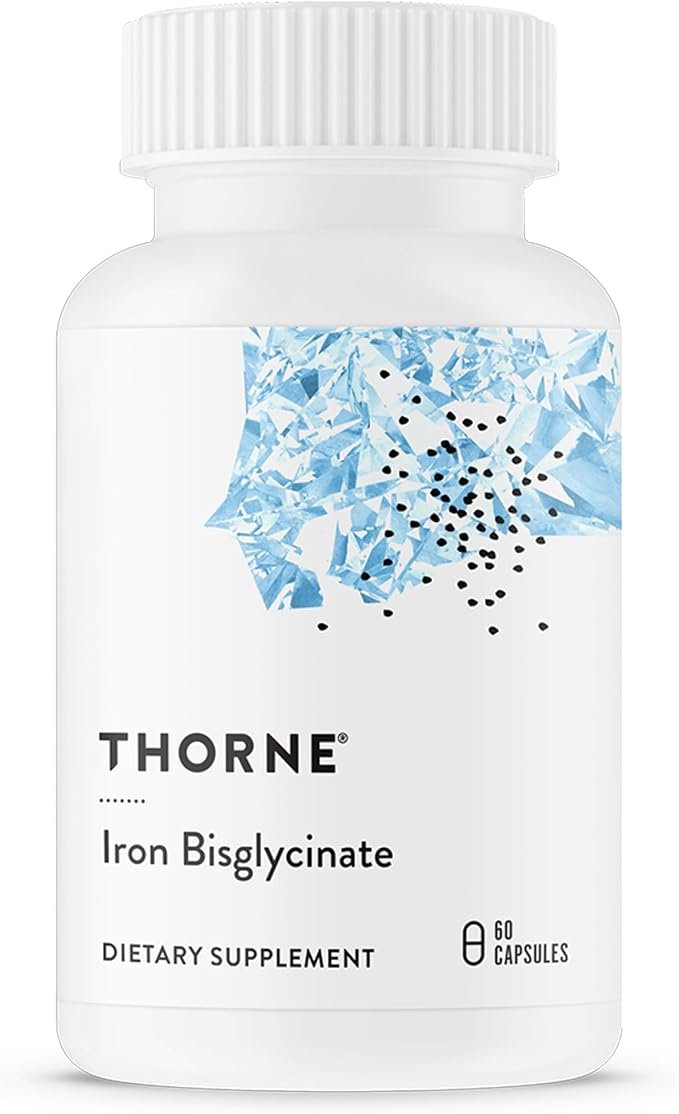
Thorne Iron Bisglycinate 25mg
Enhanced absorption iron supplement without gastrointestinal side effects. NSF Certified for Sport. 60 capsules from Thorne Research - trusted pharmaceutical-grade quality.
$15.00
View on AmazonAs an Amazon Associate, we earn from qualifying purchases at no additional cost to you.
Conclusion: Harness the Power of Iron
Iron is truly an essential mineral that powers countless vital functions in your body—from oxygen transport and energy production to cognitive function and immune defense. Maintaining optimal iron levels is fundamental to experiencing vibrant health, sustained energy, and peak mental performance.
Whether through iron-rich foods, strategic pairing with vitamin C, or quality supplementation when needed, ensuring adequate iron intake is one of the most impactful steps you can take for your long-term health and vitality.
Remember to monitor your iron status through regular health checkups, especially if you fall into a high-risk category. With the right approach, you can harness the remarkable benefits of this essential mineral and support your journey toward optimal health and longevity.