We spend countless hours and dollars on hair products, yet often overlook the most critical factor: the scalp. Just as healthy skin is the foundation of a glowing complexion, a healthy scalp is essential for strong, lustrous hair. Understanding scalp health is the first step toward transforming your hair from the roots up.
Why Scalp Health Matters
Your scalp is living skin, home to approximately 100,000 hair follicles. The health of these follicles directly determines the quality, strength, and growth rate of your hair.
.jpg)
A healthy scalp provides optimal conditions for hair growth by:
- Maintaining proper blood circulation: Nutrient-rich blood flow delivers vitamins, minerals, and oxygen to follicles
- Balancing sebum production: Natural oils protect and moisturize without causing buildup
- Supporting the hair growth cycle: Healthy follicles progress normally through growth phases
- Preventing premature hair loss: Reduces inflammation and stress on follicles
- Ensuring optimal pH balance: Slightly acidic pH protects against harmful bacteria and fungi
Common Scalp Issues
Dandruff
Dandruff affects up to 50% of adults worldwide. It manifests as white or yellowish flakes and is caused by an overgrowth of Malassezia yeast. Contributing factors include stress, hormonal changes, and harsh hair products.
Seborrheic Dermatitis
A more severe inflammatory condition with redness, greasy yellowish scales, and intense itching. It may extend beyond the hairline and can cause thinning in affected areas.
Dry Scalp
Occurs when the skin lacks sufficient moisture. Unlike dandruff, dry scalp flakes are smaller and whiter. Caused by cold weather, over-washing, harsh shampoos, and hot water.
Scalp Psoriasis
An autoimmune condition causing rapid skin cell turnover, resulting in thick, silvery scales and inflamed patches. May require medical treatment.
When to See a Dermatologist
If you experience severe, persistent symptoms; sudden hair loss; spreading redness or infection signs; or if over-the-counter treatments haven't improved your condition after 4-6 weeks, consult a professional.
The Scalp Microbiome
Your scalp hosts a complex ecosystem of microorganisms - bacteria, fungi, and more - that play crucial roles in scalp health.
What a Balanced Microbiome Does
- Protection against pathogens: Beneficial microbes compete with harmful organisms
- Maintaining pH balance: Helps sustain the scalp's slightly acidic protective pH
- Supporting immune function: Trains the immune system to respond appropriately
- Producing beneficial compounds: Some microbes generate anti-inflammatory molecules
Factors That Disrupt the Microbiome
- Harsh, sulfate-containing shampoos
- Over-washing or under-washing
- Antibiotic use
- High-sugar, low-fiber diets
- Chronic stress and poor sleep
- Excessive heat styling
How to Properly Cleanse Your Scalp
Choosing the Right Shampoo
- Normal scalp: Gentle, sulfate-free formulas with balanced pH
- Oily scalp: Clarifying shampoos with tea tree oil or salicylic acid
- Dry scalp: Moisturizing formulas with glycerin, aloe vera, or hyaluronic acid
- Dandruff: Medicated shampoos with ketoconazole, zinc pyrithione, or selenium sulfide
- Sensitive scalp: Fragrance-free, hypoallergenic with oat extract or chamomile
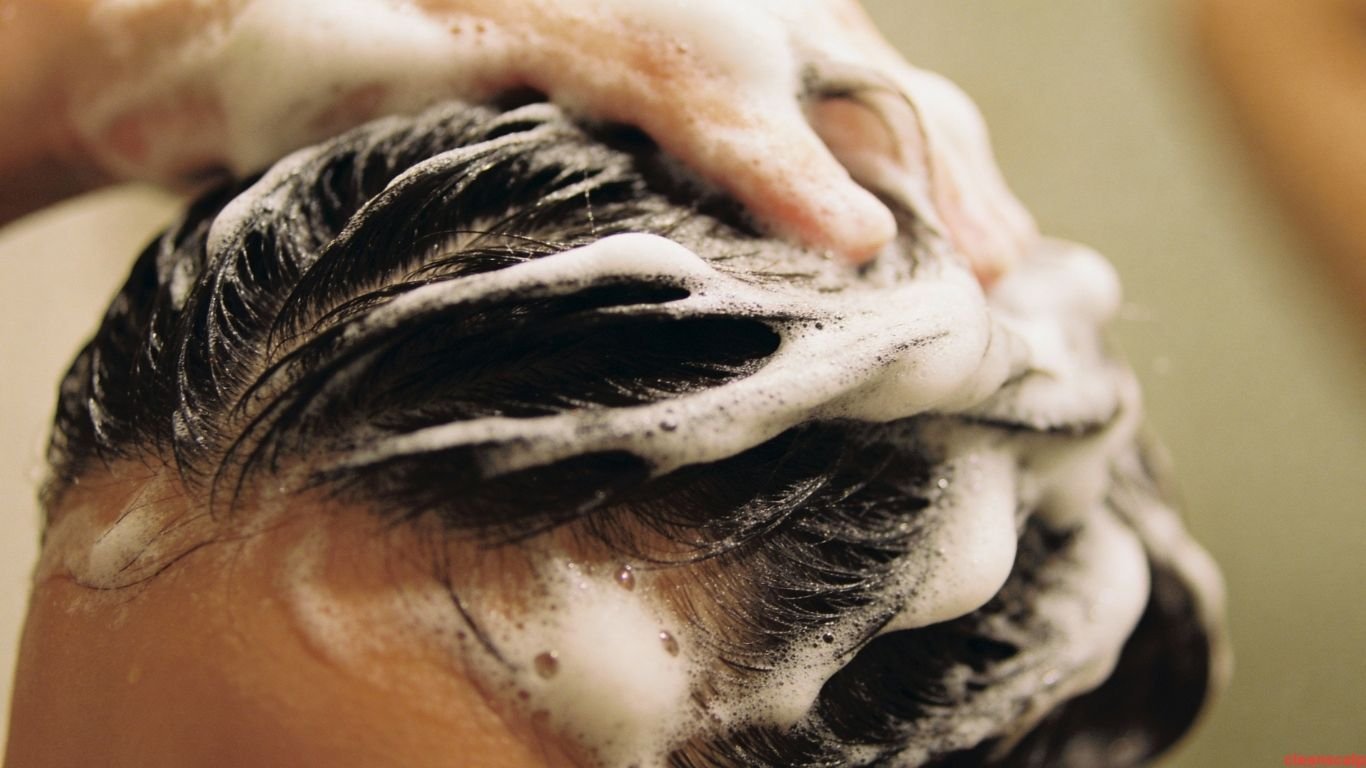
The Proper Cleansing Technique
- Pre-rinse thoroughly: Wet hair completely for at least 30 seconds
- Apply shampoo to scalp: Focus on the scalp, not the hair lengths
- Massage, don't scratch: Use fingertips in circular motions for 2-3 minutes
- Let it sit: For medicated shampoos, allow 3-5 minutes contact time
- Rinse completely: Spend at least 2 minutes rinsing
- Condition strategically: Apply only to hair lengths, not scalp
Washing Frequency
- Oily scalp: Daily to every other day
- Normal scalp: Every 2-3 days
- Dry scalp: Every 3-4 days or twice weekly
Avoid hot water! Very hot water strips natural oils and exacerbates dryness. Lukewarm to cool water is gentler and helps seal the hair cuticle for smoother, shinier hair.
Scalp Exfoliation & Treatments
Types of Exfoliation
- Physical exfoliation: Scalp scrubs with sugar, salt, or jojoba beads
- Chemical exfoliation: Salicylic acid (for oily scalps), glycolic acid, or fruit enzymes
Targeted Treatments
- Growth-stimulating serums: Minoxidil, caffeine, peptides, rosemary extract
- Anti-inflammatory treatments: Niacinamide, centella asiatica, green tea
- Hydrating treatments: Hyaluronic acid, glycerin, aloe vera
- Oil-balancing treatments: Niacinamide, witch hazel
Scalp Massage Benefits
- Increases blood circulation to follicles
- Distributes natural oils throughout the scalp
- Reduces tension and stress
- Enhances product absorption
- Promotes relaxation
Daily Scalp Massage
Perform scalp massage for 5-10 minutes daily using fingertips, applying gentle to moderate pressure in circular motions across the entire scalp. A small 2016 study found that participants who massaged their scalps daily experienced increased hair thickness after 24 weeks.
Building Your Scalp-Healthy Routine
Daily
- 5-10 minute scalp massage to boost circulation
- Gentle brushing with natural bristle brush
- Apply leave-in scalp treatments if needed
2-3 Times Weekly
- Cleanse with appropriate shampoo
- Condition hair lengths (avoiding scalp)
- Use medicated shampoo if treating a condition
Weekly
- Scalp exfoliation
- Deep conditioning treatment for hair
- Intensive scalp masks if needed
Lifestyle Factors
- Stay hydrated (8+ glasses of water daily)
- Eat nutrient-rich diet with adequate protein, vitamins, and omega-3s
- Manage stress through meditation or exercise
- Get sufficient sleep (7-9 hours nightly)
- Protect scalp from sun exposure
Recommended Scalp Health Products
Support your scalp from the inside out
Beautiful Hair Begins at the Scalp
By understanding your scalp's unique needs, recognizing signs of imbalance, and implementing proper cleansing, exfoliation, and treatment practices, you create the optimal environment for strong, lustrous hair growth.
Be patient and consistent with your routine, and don't hesitate to seek professional guidance if you experience persistent symptoms. Your scalp - and your hair - will thank you.