Hair loss and thinning affect millions of people, but science-backed topical treatments offer real hope. From FDA-approved medications to natural alternatives with clinical evidence, understanding what actually works can help you make informed decisions about your hair growth journey.
Minoxidil: The Gold Standard
How It Works
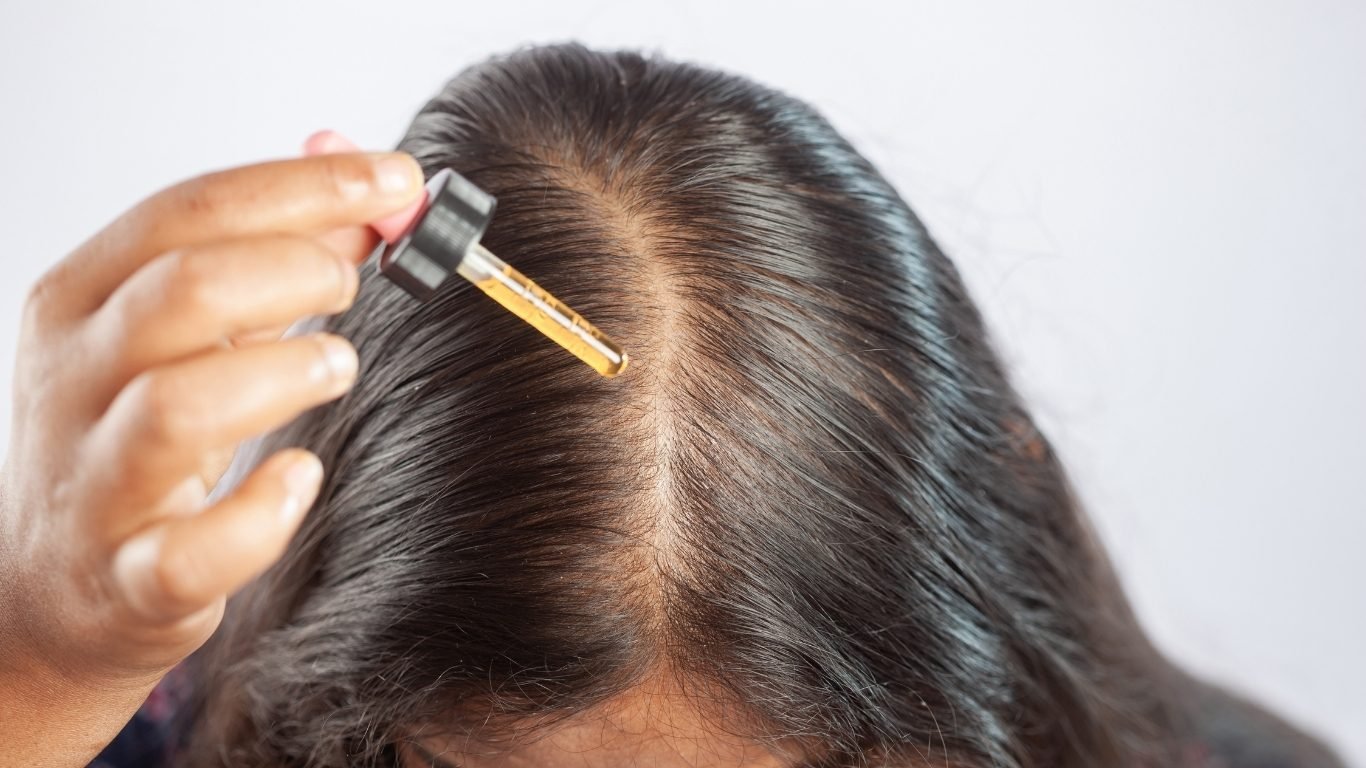
Minoxidil is the only FDA-approved topical treatment for hair loss in both men and women. Originally developed as a blood pressure medication, researchers discovered its hair-growth properties by accident. Minoxidil works by:
- Widening blood vessels in the scalp, improving blood flow to hair follicles
- Extending the anagen phase (active growth phase) of the hair cycle
- Increasing follicle size, leading to thicker, fuller hair strands
- Stimulating follicular keratinocyte proliferation, awakening dormant follicles
Who It's For
Minoxidil is most effective for people experiencing:
- Androgenetic alopecia (pattern baldness) in men and women
- Early-stage hair loss where follicles are still viable
- Thinning at the crown rather than the hairline (though it can help both)
Important Note: Women should use the 5% foam formulation, while men can use either 5% foam or liquid. Consistency is crucial - daily application is necessary to maintain results.
Rosemary Oil: The Natural Alternative
The Research
Rosemary oil has emerged as a scientifically-supported natural alternative to minoxidil. A landmark 2015 study published in SKINmed found that rosemary oil was as effective as 2% minoxidil after six months of use, with fewer side effects like scalp itching.
The mechanisms behind rosemary oil's effectiveness include:
- Improved circulation to hair follicles, similar to minoxidil
- Anti-inflammatory properties that reduce scalp irritation
- Antioxidant effects that protect follicles from damage
- DHT-blocking potential, addressing hormonal hair loss
How to Use
Dilute rosemary essential oil in a carrier oil (like jojoba, coconut, or argan oil) at a ratio of about 5-6 drops per tablespoon of carrier oil. Massage into the scalp 2-3 times per week, leaving it on for at least 30 minutes before washing.
Pro Tip: Never apply undiluted essential oils directly to your scalp - this can cause irritation and inflammation. Pre-mixed rosemary scalp oils are available and convenient for regular use.
Peptide Serums for Hair
Peptides are short chains of amino acids that serve as building blocks for proteins like keratin, collagen, and elastin - all crucial for healthy hair.
Key Peptides
- Copper peptides (GHK-Cu): Stimulate hair follicles, improve scalp health, and increase follicle size
- Myristoyl pentapeptide-17: Enhances keratin production and lengthens the hair growth phase
- Acetyl tetrapeptide-3: Reduces inflammation and supports tissue regeneration
- Biotinoyl tripeptide-1: Strengthens hair and improves anchorage to the scalp
Caffeine Shampoos
Caffeine has emerged as a hair growth ingredient with legitimate science behind it. Studies show that caffeine can:
- Stimulate hair follicles by promoting cellular metabolism
- Counteract testosterone effects that lead to follicle miniaturization
- Extend the anagen phase of hair growth
- Increase blood circulation to the scalp
How to Use Effectively
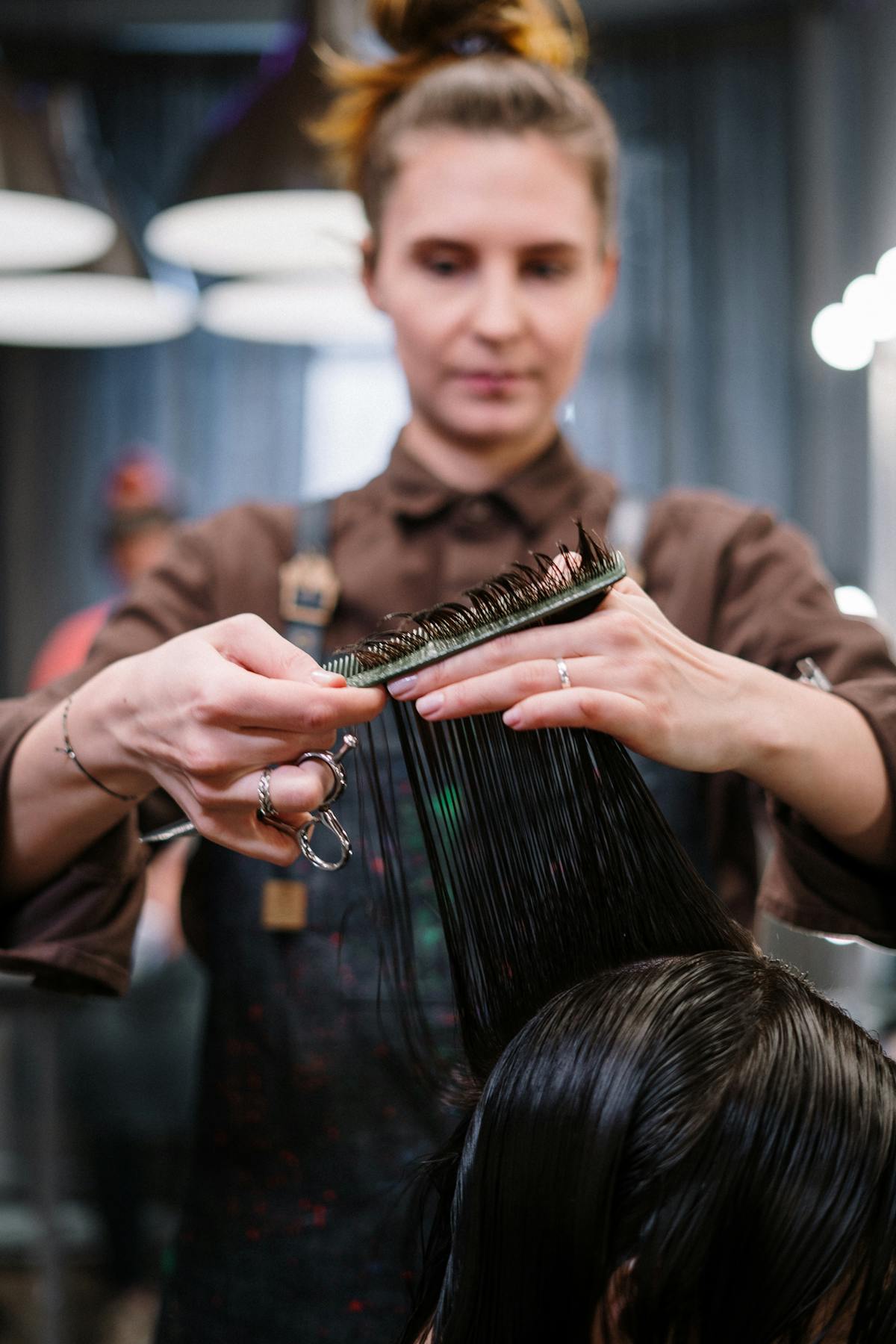
For caffeine shampoos to work, they need contact time with your scalp. Leave the shampoo on for at least 2 minutes before rinsing. Use consistently - daily or every other day - for best results.
Reality Check: While caffeine shampoos can support hair health and may slow hair loss, they're best used as part of a comprehensive approach rather than as a standalone treatment.
Scalp Massage & Dermarolling
Scalp Massage Benefits
- Increases blood flow to follicles, delivering more nutrients and oxygen
- Reduces stress hormones that can contribute to hair loss
- May stretch follicle cells, promoting thicker hair production
- Helps distribute natural oils along hair shafts
Dermarolling (Microneedling)
Dermarolling involves using a device with tiny needles to create micro-injuries in the scalp. This process:
- Triggers wound healing responses that stimulate growth factors
- Increases absorption of topical treatments like minoxidil
- Promotes collagen production in the scalp
- May activate stem cells in hair follicles
Safety Guidelines: Use a 0.5mm to 1.5mm dermaroller for hair growth. Sterilize before each use. Roll gently in multiple directions about 8-10 passes per area. Do this once a week, and wait 24 hours before applying topical treatments.
Realistic Expectations & Timelines
What to Expect Month by Month
Months 1-2: The Shedding Phase
Don't panic if you experience increased shedding when starting treatments like minoxidil. This is actually a positive sign - old, weak hairs are being pushed out to make room for new growth.
Months 3-4: Early Changes
You may notice fine "baby hairs" appearing, reduced shedding, and potentially some texture changes. Existing hairs may appear slightly thicker.
Months 6-12: Visible Results
This is when most people see noticeable improvements in hair density and thickness. Photos are helpful for tracking progress, as gradual changes can be hard to notice day-to-day.
12+ Months: Maximum Benefit
Most treatments reach their full potential around the one-year mark. Continued use maintains results rather than producing additional dramatic improvements.
Important Realities
- Results vary: Genetics, age, type of hair loss, and overall health all influence outcomes
- Consistency is key: Stopping treatment usually results in gradual return to baseline
- Combination approaches work best: Using multiple complementary treatments often yields better results
- Earlier is better: Treatments work best when follicles are still active
Building Your Hair Growth Routine
A comprehensive approach might include:
- Morning: Apply minoxidil or peptide serum to affected areas
- Evening: Second application of treatment product; 5-minute scalp massage
- 2-3 times per week: Use caffeine shampoo with 2-minute contact time
- 2-3 times per week: Apply diluted rosemary oil treatment
- Once weekly: Dermarolling session (on a day without topical treatments immediately after)
Recommended Hair Growth Products
Science-backed treatments for healthier, fuller hair
Your Hair Growth Journey Starts Today
Hair growth is a marathon, not a sprint. Patience, consistency, and realistic expectations are your best allies. With the right combination of science-backed treatments and dedication, you can achieve healthier, fuller hair.