
FREE LONGEVITY GUIDE
The Blue Zones Diet
Eat Like the World's Longest-Lived People
Blue Zones are five regions in the world where people live significantly longer than average - with high rates of centenarians (people living past 100) and very low rates of chronic disease.
These regions were identified by Dan Buettner and a team of demographers and researchers. What they found was remarkable: despite being spread across the globe, these populations share similar dietary and lifestyle patterns.
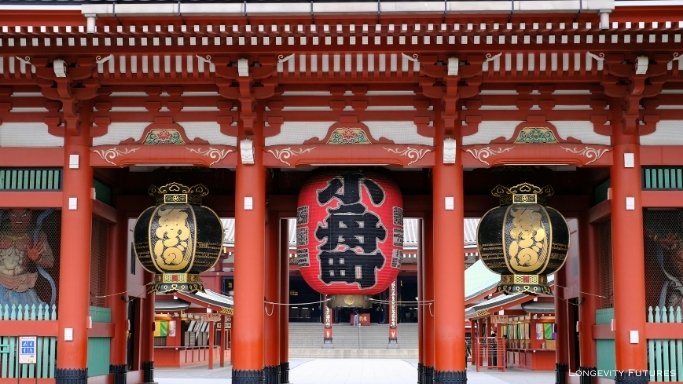
The Land of Immortals
Key Foods: Sweet potatoes, tofu, bitter melon, turmeric, seaweed, green tea
Secret: "Hara hachi bu" - eat until 80% full.
The Island of Centenarians
Key Foods: Goat's milk, sheep's cheese, whole grain bread, beans, red wine
Secret: Strong family bonds and daily moderate wine.
The Land of Pura Vida
Key Foods: Black beans, corn tortillas, squash, tropical fruits, eggs
Secret: Strong sense of purpose ("plan de vida").
The Island Where People Forget to Die
Key Foods: Wild greens, olive oil, legumes, honey, herbal teas
Secret: Afternoon naps and mountain tea.
The American Blue Zone
Key Foods: Nuts, beans, oatmeal, avocados, fruits, vegetables
Secret: Seventh-day Adventist lifestyle.
Despite their geographic and cultural differences, all Blue Zones share these dietary patterns:
Centenarians eat meat only about 5 times per month, and portions are small (3-4 oz). The foundation of every meal is vegetables, legumes, and whole grains.
Every Blue Zone eats at least 1 cup of beans daily. Black beans, lentils, fava beans, chickpeas, and soybeans are the #1 predictor of longevity across all zones.
Blue Zone populations eat their largest meal at breakfast or lunch, not dinner. Many eat only a light meal in the evening.
Moderate drinkers outlive non-drinkers. The key: 1-2 glasses of red wine per day, with food and friends.
A handful of nuts daily adds 2-3 years of life expectancy. Almonds in Ikaria, pistachios in Nicoya, all nuts in Loma Linda.
Almost everything eaten is recognizable - a plant, an animal. No ingredient lists, no processed foods.
Herbal teas, water, and coffee. No soda, no sweetened drinks.
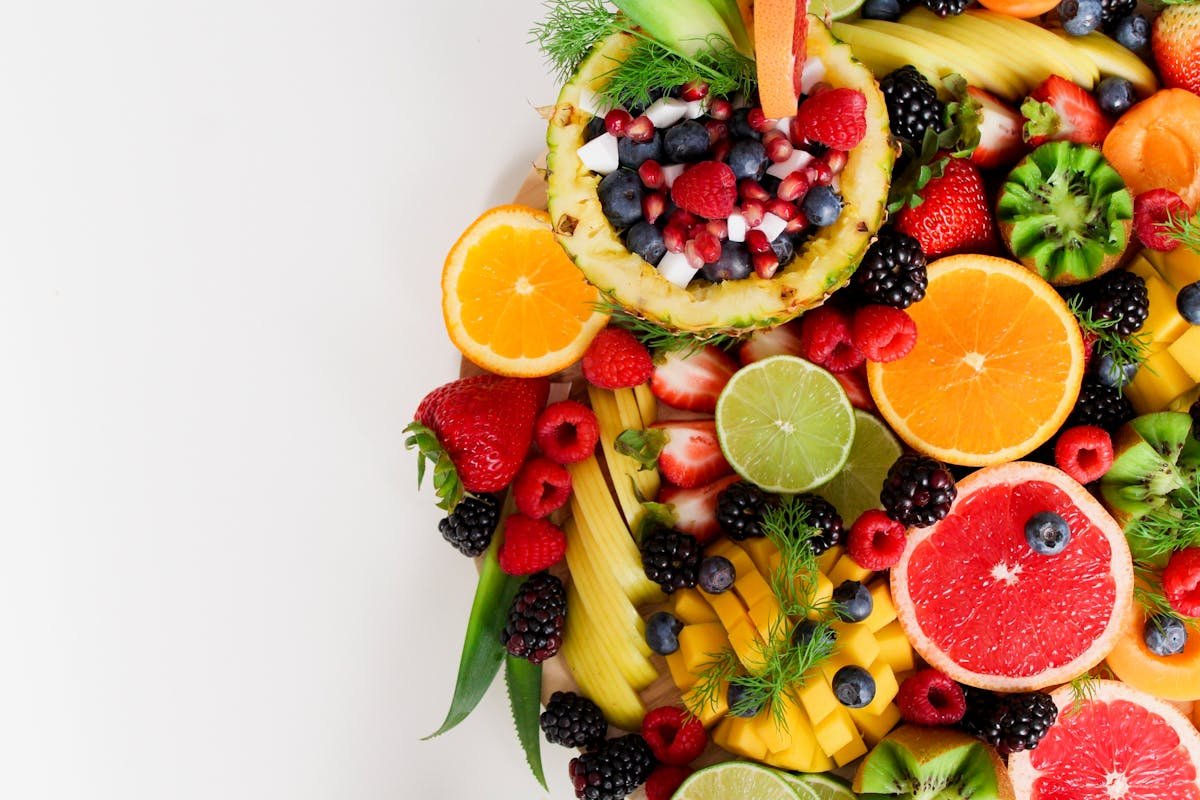
These are the foods that appear most frequently in the diets of centenarians:
Here's what a week of eating like a centenarian looks like:
Food is just one piece of the puzzle. Dan Buettner identified 9 lifestyle factors common to all Blue Zones:
No gyms needed. Blue Zone residents walk everywhere, garden, do manual work.
Knowing why you wake up adds up to 7 years of life expectancy.
Routines to shed stress: prayer, naps, happy hour, meditation.
Stop eating when 80% full. The 20% gap prevents weight gain.
95% plant-based. Meat is celebratory, not daily.
1-2 glasses daily, with food and friends.
98% of centenarians belong to a faith-based community.
Family first. Aging parents nearby. Commit to a life partner.
Social circles support healthy behaviors. Okinawans have "moais" - lifelong friend groups.
Blue Zone centenarians get nutrients from food - but these can help if needed:

Ultra-concentrated triglyceride fish oil. 586 EPA, 456 DHA per serving. Blue Zone populations get omega-3s from fish.

Blue Zone populations get plenty of sun. If you don't, supplement for bone and immune health.

Supports sleep, stress, and muscle function - often depleted in modern diets.
The Blue Zones prove that longevity isn't about expensive treatments or restrictive diets. It's about simple, delicious food shared with people you love.
Beans, greens, and good company - that's the recipe for 100!
More free longevity guides at:
longevityfutures.online/diets