Taurine for Longevity: The Science-Backed Anti-Aging Breakthrough
In June 2023, a groundbreaking study published in the prestigious journal Science sent shockwaves through the longevity research community. Researchers at Columbia University discovered that taurine—a semi-essential amino acid naturally produced in the body—may be a key driver of healthy aging. The study showed that taurine supplementation extended lifespan by up to 12% in mice and improved multiple markers of health across species, from worms to monkeys to humans.
But what makes this research particularly exciting is that taurine isn't some exotic compound requiring cutting-edge biotechnology. It's already available as an affordable supplement, backed by decades of safety data. This comprehensive guide will break down everything you need to know about taurine for longevity: the science, the benefits, optimal dosing, safety considerations, and who should consider taking it.
What You'll Learn:
- The 2023 Science study showing 10-12% lifespan extension in animals
- How taurine levels decline with age and why it matters
- Mechanisms: mitochondrial function, inflammation, cellular senescence
- Benefits for NAFLD/fatty liver disease
- Improvements in glucose control and metabolic health
- Evidence-based dosing recommendations (1.5-3g daily)
- Complete safety profile and who should avoid it
- How to combine with other longevity interventions
What is Taurine?
Taurine (2-aminoethanesulfonic acid) is a sulfur-containing amino acid that plays crucial roles throughout the body. Unlike the 20 standard amino acids that make up proteins, taurine is classified as a "semi-essential" amino acid—your body can produce it, but production declines with age and may not meet optimal levels.
First isolated from ox bile in 1827 (hence the name, from the Latin taurus meaning bull), taurine is now known to be one of the most abundant amino acids in the body, particularly concentrated in:
- Brain and nervous system: Where it acts as a neurotransmitter and neuroprotector
- Heart muscle: Supporting cardiac contractility and electrical function
- Skeletal muscle: Regulating calcium handling and reducing oxidative stress
- Eyes: Protecting retinal cells and maintaining vision
- Liver: Supporting bile acid production and detoxification
Natural Sources of Taurine
Your body synthesizes taurine from the amino acids methionine and cysteine, with vitamin B6 as a cofactor. However, you can also obtain taurine from dietary sources:
- Meat and poultry: Dark meat chicken and turkey (highest), beef, pork
- Seafood: Shellfish (especially scallops and clams), fish, seaweed
- Dairy products: Milk and yogurt (modest amounts)
- Energy drinks: Often fortified with taurine (though not recommended as a primary source)
Notably, plant-based foods contain virtually no taurine, which is why vegetarians and vegans typically have lower circulating levels—and may benefit most from supplementation.
The Aging-Taurine Connection
Here's the critical discovery: taurine levels decline dramatically with age. In the 2023 Columbia study, researchers found that taurine concentrations in the blood of 60-year-old humans were only about one-third of those found in 5-year-olds. Similar declines were observed in mice and monkeys.
This age-related decline correlates with multiple hallmarks of aging, raising a provocative question: Is taurine deficiency not just a consequence of aging, but a driver of it? The experimental evidence suggests the answer may be yes.
The Landmark 2023 Science Study: Taurine Deficiency as a Driver of Aging
The study that changed everything was published in Science on June 8, 2023, titled "Taurine deficiency as a driver of aging." Led by Dr. Vijay Yadav, Assistant Professor of Genetics & Development at Columbia University, this comprehensive research investigated taurine's role across multiple species and employed both observational and interventional approaches.
Study Design and Methodology
The researchers took a multi-pronged approach:
- Observational phase: Measured taurine levels across the lifespan in worms (C. elegans), mice, monkeys, and humans
- Interventional phase: Supplemented middle-aged animals with taurine and tracked lifespan and healthspan markers
- Mechanistic investigations: Examined cellular and molecular pathways affected by taurine
- Human correlation study: Analyzed relationships between taurine levels and health parameters in 12,000 European adults aged 60+
Lifespan Extension Results
The findings were remarkable:
Mice (Most Robust Data)
- Female mice: 12% increase in median lifespan
- Male mice: 10% increase in median lifespan
- Human equivalent: Approximately 7-8 years of extended life
- Dose used: Daily taurine supplementation started at middle age (14 months in mice)
Worms (C. elegans)
- Lifespan extension: 10-23% depending on dose
- Effect: Dose-dependent, with higher concentrations showing greater benefits
Monkeys (Healthspan Study)
- Six-month taurine supplementation in middle-aged rhesus monkeys
- Improved bone density, immune function, and metabolic markers
- Reduced markers of liver damage and inflammation
- (Lifespan studies in primates are impractical due to their longevity)
Healthspan Improvements: More Than Just Lifespan
Perhaps even more impressive than the lifespan extension were the improvements in healthspan—the quality of those additional years. Taurine-supplemented mice showed:
- Body composition: Leaner with less age-related weight gain
- Energy metabolism: Increased energy expenditure and improved metabolic rate
- Bone health: Increased bone mineral density and reduced osteoporosis
- Muscle function: Improved strength, endurance, and reduced sarcopenia
- Cognitive function: Reduced depressive and anxious behaviors, improved memory and learning
- Immune system: More youthful immune profile with reduced inflammaging
- Metabolic health: Reduced insulin resistance and better glucose control
In Dr. Yadav's words: "Not only did we find that the animals lived longer, we also found that they lived healthier lives."
Human Observational Data
While we can't conduct controlled lifespan studies in humans (they'd take decades), the researchers analyzed data from 12,000 European adults aged 60 and older. They found strong correlations between higher taurine levels and better health:
- Lower rates of type 2 diabetes
- Reduced obesity levels
- Lower blood pressure (reduced hypertension)
- Decreased inflammation markers
- Better overall metabolic health
While correlation doesn't prove causation, these findings align perfectly with the mechanistic and interventional data from animals, suggesting taurine's benefits likely extend to humans.
How Taurine Works: Mechanisms of Longevity
The 2023 study didn't just show that taurine extends lifespan—it revealed how. Taurine appears to combat multiple hallmarks of aging simultaneously, making it a particularly promising longevity intervention.
1. Mitochondrial Function and Bioenergetics
Mitochondria—your cellular power plants—are critical for healthy aging. Taurine plays multiple roles in mitochondrial health:
- Mitochondrial tRNA modification: Taurine is essential for proper modification of mitochondrial transfer RNAs, which are needed for protein synthesis within mitochondria
- Membrane stabilization: Protects mitochondrial membranes from oxidative damage
- ATP production: Studies show taurine supplementation restores ATP levels that decline with age
- Prevents dysfunction: In cell studies, blocking taurine uptake resulted in mitochondrial dysfunction
The 2023 study found that taurine supplementation significantly reduced markers of mitochondrial dysfunction in aged mice, essentially making old mitochondria function more like young ones.
2. Reduced Cellular Senescence
Senescent cells—sometimes called "zombie cells"—accumulate with age and secrete inflammatory factors that damage surrounding tissues. Taurine supplementation:
- Reduced the number of senescent cells in multiple tissues
- Decreased the senescence-associated secretory phenotype (SASP)
- Protected against cellular senescence induced by various stressors
This positions taurine as a potential "senolytic-like" compound, though it appears to prevent senescence rather than selectively eliminating existing senescent cells.
3. DNA Damage Protection
Accumulation of DNA damage is a fundamental driver of aging. Taurine provides protection through:
- Antioxidant effects: Directly scavenging reactive oxygen species that damage DNA
- Reduced telomere attrition: The study found taurine protected against telomerase deficiency
- Enhanced DNA repair: Supporting cellular machinery that fixes DNA lesions
4. Reduced Inflammaging
Chronic low-grade inflammation ("inflammaging") is a hallmark of aging linked to virtually every age-related disease. Taurine combats this through:
- Reduced pro-inflammatory cytokines: Lower levels of TNF-α, IL-6, and other inflammatory signals
- Increased anti-inflammatory factors: Enhanced production of protective molecules
- TLR-4 pathway inhibition: Blocks toll-like receptor signaling that drives inflammation
- NFκB suppression: Inhibits a master regulator of inflammatory gene expression
The human data confirmed this: people with higher taurine levels showed significantly lower markers of systemic inflammation.
5. ER Stress and Protein Quality Control
The endoplasmic reticulum (ER) is where cells fold and process proteins. ER stress occurs when misfolded proteins accumulate—a common feature of aging. Taurine:
- Reduces ER stress markers (unfolded protein response activation)
- Helps maintain protein quality control
- Protects cells from ER stress-induced death
6. Immune System Rejuvenation
Immune function declines with age (immunosenescence), leaving us vulnerable to infections and cancer. Taurine supplementation in the study produced a "younger-looking immune system" with:
- Better balance of immune cell populations
- Reduced chronic immune activation
- Improved immune response to challenges
The Multi-Target Advantage
What makes taurine particularly exciting as a longevity intervention is that it doesn't work through a single pathway. Instead, it simultaneously addresses multiple hallmarks of aging—mitochondrial dysfunction, cellular senescence, inflammation, DNA damage, and more. This multi-target approach may explain why it produces such robust effects on both lifespan and healthspan.
Taurine Benefits Beyond Longevity
While the 2023 study focused on aging, decades of research have established taurine's benefits for specific health conditions and organ systems. Here's what the evidence shows:
1. Non-Alcoholic Fatty Liver Disease (NAFLD/MASLD)
Perhaps the most well-established clinical application of taurine is for fatty liver disease—now affecting an estimated 25-30% of adults in developed countries.
Clinical Evidence for NAFLD
- Lipid reduction: Multiple studies show taurine significantly reduces hepatic triglycerides, total cholesterol, and LDL-C while increasing protective HDL-C
- Liver enzyme improvement: Reduces elevated ALT and AST (markers of liver damage)
- Prevents progression: Animal studies demonstrate taurine prevents progression from simple steatosis to steatohepatitis (NASH)
- Dose used in studies: Typically 2-6 grams daily in human trials
Mechanisms for liver protection:
- Inhibits lipogenesis: Suppresses SREBP-1c and enzymes that synthesize fat in the liver
- Activates AMPK: The "metabolic master switch" that promotes fat burning
- Reduces oxidative stress: Protects liver cells from reactive oxygen species
- Improves bile acid metabolism: Taurine conjugates with bile acids to enhance fat digestion and cholesterol excretion
- Reduces ER stress: Prevents hepatocyte death from protein misfolding
A 2025 review in Cell Communication and Signaling concluded: "Taurine may offer a novel therapeutic avenue, presenting new possibilities for effective clinical interventions in MASLD management."
2. Glucose Control and Diabetes Prevention
Taurine shows promise for metabolic health and type 2 diabetes:
- Improved insulin sensitivity: The 2023 aging study found reduced insulin resistance in taurine-supplemented mice
- Lower fasting glucose: Human observational data shows higher taurine levels correlate with better glucose control
- Reduced diabetes risk: The 12,000-person study found significantly lower rates of type 2 diabetes in those with higher taurine levels
- Pancreatic protection: Animal studies suggest taurine may protect insulin-producing beta cells
Mechanisms include AMPK activation (improving cellular glucose uptake), reduced oxidative stress in pancreatic cells, and decreased inflammation—all factors in diabetes development.
3. Cardiovascular Health
The heart is one of the most taurine-rich organs in the body, and taurine deficiency is associated with cardiomyopathy:
- Blood pressure: Several studies show modest but consistent blood pressure reductions with taurine supplementation (typically 3-5 mmHg systolic)
- Heart failure: May improve symptoms and exercise capacity in heart failure patients
- Arterial health: Reduces arterial stiffness and improves endothelial function
- Cholesterol: Improvements in lipid profiles (lower LDL, higher HDL)
4. Exercise Performance and Recovery
Athletes have used taurine for years, and research supports some benefits:
- Reduced muscle damage: Post-exercise markers of muscle damage are lower with taurine supplementation
- Decreased oxidative stress: Less exercise-induced reactive oxygen species
- Improved endurance: Some studies show modest improvements in time to exhaustion
- Muscle cramps: A clinical trial in liver disease patients found 2g daily taurine significantly reduced frequency and severity of muscle cramps
5. Brain Health and Neuroprotection
The 2023 study found cognitive improvements in taurine-supplemented mice, and other research suggests:
- Neurotransmitter modulation: Taurine acts as an inhibitory neurotransmitter, calming excessive neural activity
- Neuroprotection: Protects brain cells from excitotoxicity and oxidative damage
- Memory and learning: Animal studies show improvements in spatial memory and cognitive function
- Mood: The aging study noted reduced depressive and anxious behaviors in supplemented mice
6. Eye Health
Taurine is highly concentrated in the retina:
- Retinal protection: Defends photoreceptor cells against oxidative damage
- Age-related macular degeneration: Some evidence for protective effects, though human data is limited
- Diabetic retinopathy: May reduce oxidative damage in diabetic eye disease
Dosage: How Much Taurine Should You Take?
One of the most common questions is: what's the optimal dose for longevity and health benefits?
Evidence-Based Dosing Guidelines
For General Longevity and Anti-Aging:
- Recommended range: 1.5-3 grams per day
- Timing: Can be taken all at once or split into 2-3 doses throughout the day
- With or without food: Either is fine; taurine is well-absorbed regardless
For Specific Conditions:
- NAFLD/fatty liver: 2-6 grams daily (based on clinical trials)
- Cardiovascular health: 1.5-3 grams daily
- Exercise performance: 1-3 grams 30-60 minutes before exercise
- Muscle cramps: 2 grams daily (based on clinical trial)
Study Doses (Animal to Human Conversion):
The 2023 lifespan study used doses equivalent to approximately 3-6 grams per day in humans based on body surface area conversions. The researchers gave mice roughly 500-1000 mg/kg body weight, which translates to the higher end of human dosing ranges.
Upper Safety Limit:
Human studies have used doses up to 10 grams per day without serious adverse effects, though most research uses 1-6 grams daily. The European Food Safety Authority (EFSA) has concluded that up to 6 grams daily appears safe for long-term use.
Practical Recommendation:
For most adults pursuing longevity benefits, start with 1.5-2 grams daily and consider increasing to 3 grams if well-tolerated. Those with specific conditions like fatty liver may benefit from the higher end of the range (up to 6 grams) under medical supervision.
Timing and Form
Taurine supplements typically come as:
- Powder: Most cost-effective, easy to measure, can mix in water or smoothies
- Capsules: Convenient for precise dosing, easier to take on the go (typically 500-1000mg per capsule)
- Tablets: Similar to capsules in convenience
There's no evidence that one form is superior in terms of absorption or efficacy. Choose based on personal preference and cost.
Timing: Most research doesn't specify optimal timing. Taurine has a half-life of around 1 hour in the blood, but tissue concentrations remain stable with regular supplementation. You can take your dose:
- All at once (e.g., 2 grams in the morning)
- Split into 2-3 doses (e.g., 1 gram with breakfast, lunch, and dinner)
- Before exercise (for performance benefits)
The key is consistency—daily supplementation appears necessary for longevity benefits, as the effects accumulate over time.
Safety Profile: Is Taurine Safe?
One of taurine's major advantages as a longevity supplement is its excellent safety profile, backed by decades of research and widespread use.
Safety and Side Effects
Established Safety
- Long history of use: Taurine has been used in energy drinks, infant formula, and supplements for over 40 years
- No serious adverse effects: Clinical trials using up to 10 grams daily for extended periods report no significant safety concerns
- Well-tolerated: Most people experience no side effects at recommended doses
- Not a stimulant: Despite being in energy drinks, taurine itself doesn't contain caffeine and may actually have calming effects
Possible Minor Side Effects (Rare)
- Mild digestive upset (usually only at very high doses >6g)
- Headache (uncommon)
- Dizziness (rare)
These effects are typically mild and resolve with dose reduction or discontinuation.
Regulatory Status
- EFSA (Europe): Concluded that doses up to 6 grams daily are safe for long-term use
- FDA (US): Taurine is Generally Recognized as Safe (GRAS) for use as a dietary supplement
- Infant formula: Taurine is added to infant formulas worldwide, indicating a very high safety standard
Long-Term Safety
The 2023 longevity study involved lifelong supplementation in mice with no adverse effects—in fact, the mice lived longer and healthier. While human lifespan studies aren't feasible, the decades of safe use and the positive health correlations in the 12,000-person observational study are reassuring.
Who Should Avoid or Use Caution
While generally safe, certain populations should exercise caution or consult a healthcare provider:
- Kidney disease: Since taurine is excreted by the kidneys, those with severe kidney dysfunction should consult a nephrologist before supplementing
- Bipolar disorder: Some case reports suggest taurine might trigger mania in susceptible individuals (though evidence is limited)
- Pregnancy and breastfeeding: While taurine is safe in infant formula and naturally present in breast milk, high-dose supplementation during pregnancy hasn't been extensively studied. Consult your OB-GYN.
- Before surgery: Some practitioners recommend stopping taurine 2 weeks before surgery due to theoretical effects on blood clotting (though clinical evidence is lacking)
- Medication interactions: Taurine may enhance the effects of blood pressure medications or diabetes drugs. Monitor your levels and work with your doctor if taking these medications.
Energy Drink Caution
While taurine itself is safe, energy drinks often contain excessive caffeine, sugar, and other stimulants. The negative health effects of energy drinks are due to these other ingredients, not taurine. For longevity purposes, use pure taurine supplements rather than energy drinks.
Who Should Take Taurine?
Based on the research, certain populations are most likely to benefit from taurine supplementation:
Highest Priority Groups
1. Older Adults (50+)
Since taurine levels decline significantly with age (by about 2/3 from childhood to age 60), older adults are essentially taurine-deficient compared to their younger selves. The 2023 study specifically used middle-aged animals, suggesting the greatest benefits occur when supplementation begins at midlife or beyond.
Recommended dose: 1.5-3 grams daily
2. Vegetarians and Vegans
Plant-based diets contain virtually no taurine, and while the body can synthesize it, vegetarians and vegans consistently show lower blood taurine levels. Supplementation can bring levels up to those of omnivores.
Recommended dose: 1-2 grams daily (may need less than omnivores due to upregulated synthesis)
3. People with Fatty Liver Disease (NAFLD/MASLD)
The evidence for taurine's benefits in fatty liver is among the strongest. If you have elevated liver enzymes or diagnosed fatty liver, taurine is worth discussing with your healthcare provider.
Recommended dose: 2-6 grams daily (higher end of range, preferably under medical supervision)
4. Those with Metabolic Syndrome or Pre-Diabetes
Taurine improves multiple components of metabolic syndrome: insulin resistance, blood pressure, cholesterol, and inflammation. It may help prevent progression to type 2 diabetes.
Recommended dose: 2-3 grams daily
5. People with Cardiovascular Risk Factors
If you have high blood pressure, elevated cholesterol, or other CV risk factors, taurine's cardioprotective effects make it a reasonable addition to your regimen (alongside medical treatment, not as a replacement).
Recommended dose: 1.5-3 grams daily
Moderate Priority Groups
- Athletes and active individuals: For reduced muscle damage, improved recovery, and potential performance benefits (1-3 grams daily, with a dose before training)
- People with muscle cramps: Especially those with liver disease or electrolyte imbalances (2 grams daily)
- Those pursuing comprehensive longevity protocols: As part of a multi-supplement stack targeting aging (1.5-3 grams daily)
Lower Priority Groups
- Healthy young adults (<35-40) with omnivorous diets: Taurine levels are likely optimal without supplementation, though there's no harm in taking it
- Those already consuming large amounts of meat and seafood: Dietary taurine may be sufficient, though supplementation could still provide benefits
Combining Taurine with Other Longevity Interventions
Taurine works well as part of a comprehensive longevity protocol. Here's how it fits with other evidence-based interventions:
Complementary Supplements
Taurine can be safely combined with other longevity supplements, and may have synergistic effects:
- Magnesium: Works with taurine for cardiovascular and metabolic health; many people are deficient in both
- Omega-3 fatty acids: Complementary anti-inflammatory effects; both support cardiovascular and brain health
- NAD+ precursors (NMN/NR): Target mitochondrial function through different mechanisms than taurine
- Vitamin D: Another near-universal deficiency; combines well for metabolic and immune health
- Creatine: Synergistic for muscle health, brain function, and cellular energy
- B vitamins (especially B6): B6 is needed for endogenous taurine synthesis; supplementing both ensures optimal levels
Lifestyle Synergies
- Exercise: Taurine supports mitochondrial function and reduces oxidative stress from training—perfect complement to a longevity exercise program
- Mediterranean or anti-inflammatory diet: Taurine's benefits for metabolic health are enhanced by healthy eating patterns
- Intermittent fasting: Both taurine and fasting activate AMPK and improve metabolic flexibility; may be synergistic
- Sleep optimization: Taurine may improve sleep quality through its calming neurotransmitter effects, supporting recovery and longevity
What NOT to Combine
- Excessive caffeine: While safe together, very high caffeine intake may counteract some of taurine's calming effects
- Energy drinks: Avoid using energy drinks as your taurine source due to sugar and stimulant content
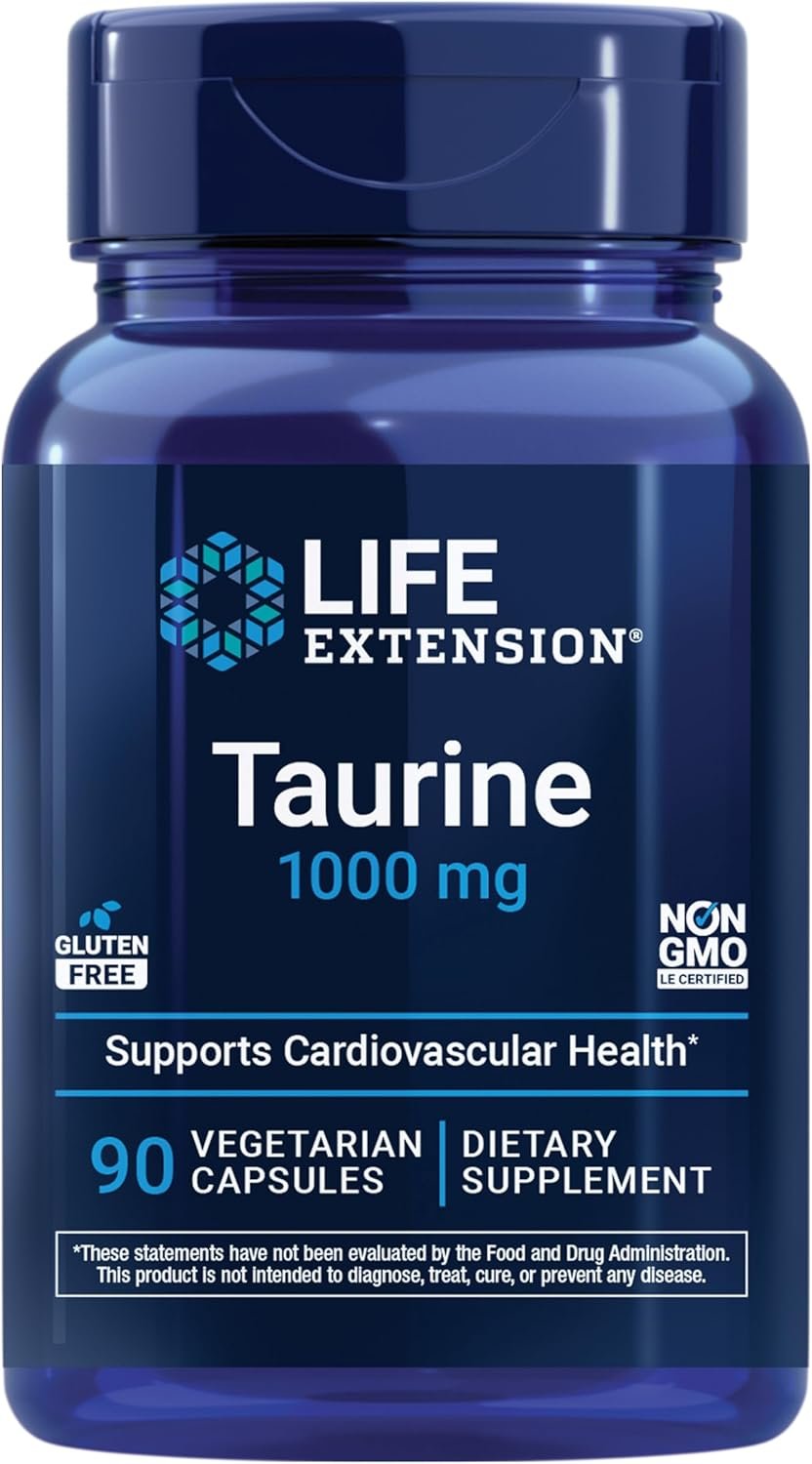
Life Extension Taurine 1000mg
Science-Backed Anti-Aging Formula
Premium Features:
Affiliate Disclosure: We may earn a commission from purchases made through this link at no additional cost to you. This helps support our research and content creation.
The Bottom Line: Should You Take Taurine?
The 2023 Science study represents a genuine breakthrough in longevity research. While we don't yet have human lifespan data (and won't for decades), the evidence is compelling:
- Strong mechanistic rationale: Taurine addresses multiple hallmarks of aging simultaneously
- Robust animal data: 10-12% lifespan extension plus dramatic healthspan improvements across species
- Supportive human correlations: Higher taurine levels associated with better health in 12,000+ adults
- Excellent safety profile: Decades of safe use with minimal side effects
- Low cost: Highly affordable compared to many longevity interventions
- Additional benefits: Well-established effects for fatty liver, metabolic health, and cardiovascular function
The Researcher's Perspective
Dr. Vijay Yadav, lead author of the 2023 study, has cautioned: "Let us wait for the clinical trials to be completed before recommending to the wider population that they go to the shelf in a grocery store and buy taurine."
This is a reasonable, conservative position. However, it's worth noting that:
- Clinical trials for lifespan extension would take decades to complete
- Taurine's safety is already well-established
- The risk-benefit ratio appears highly favorable for most adults, especially those 50+
Each person must weigh the current evidence against their personal circumstances and risk tolerance. Consulting with a healthcare provider, especially if you have medical conditions, is always prudent.
Who Has the Strongest Case for Taurine?
Based on the totality of evidence, taurine supplementation makes the most sense for:
- Adults 50 and older (when taurine levels decline significantly)
- Vegetarians and vegans (due to lack of dietary sources)
- People with fatty liver disease (strongest clinical evidence)
- Those with metabolic syndrome or cardiovascular risk factors
- Anyone pursuing evidence-based longevity optimization
For these groups, the combination of promising anti-aging data, established safety, and low cost makes taurine one of the most compelling longevity supplements available today.
Practical Implementation
If you decide to try taurine supplementation:
- Start with 1.5-2 grams daily to assess tolerance
- Consider increasing to 3 grams after 1-2 weeks if well-tolerated
- Be consistent—take it daily, as benefits accumulate over time
- Choose quality supplements from reputable brands (Life Extension, NOW Foods, Bulk Supplements are examples)
- Track relevant biomarkers if possible (liver enzymes, blood glucose, blood pressure) to monitor benefits
- Combine with other longevity pillars—exercise, healthy diet, sleep, stress management, and other evidence-based supplements
Conclusion: A New Tool in the Longevity Arsenal
The discovery that taurine deficiency may drive aging—and that supplementation can reverse some age-related decline—represents genuine progress in longevity science. While we await human clinical trials, the convergence of animal lifespan studies, mechanistic research, human observational data, and decades of safety evidence makes taurine one of the most promising anti-aging supplements available.
Unlike many hyped longevity interventions, taurine is:
- Backed by rigorous peer-reviewed research in a top-tier journal
- Biologically plausible with well-understood mechanisms
- Safe based on extensive human use
- Affordable and accessible
- Supported by additional clinical data for specific health conditions
For those of us pursuing extended healthspan and lifespan, taurine deserves serious consideration as part of a comprehensive longevity protocol. Combined with the fundamentals—optimal exercise, nutrition, sleep, and stress management—taurine may help us age more slowly and maintain vitality well into our later years.
As Dr. Yadav noted: "Not only did we find that the animals lived longer, we also found that they lived healthier lives." That's the ultimate goal of longevity science—not just more years, but more healthy, vibrant, functional years.
Taurine won't make you immortal. But based on current evidence, it may give you a better chance of reaching 90 or 100 with your faculties intact, your muscles strong, your heart healthy, and your mind sharp. And that's a prize worth pursuing.
References
- Singh P, et al. "Taurine deficiency as a driver of aging." Science 2023;380(6649):eabn9257. doi: 10.1126/science.abn9257
- Schaffer SW, et al. "Physiological roles of taurine in heart and muscle." Journal of Biomedical Science 2010;17 Suppl 1:S2.
- Xu YJ, et al. "The potential health benefits of taurine in cardiovascular disease." Experimental & Clinical Cardiology 2008;13(2):57-65.
- Murakami S. "The beneficial effects of taurine in alleviating fatty liver disease." Advances in Experimental Medicine and Biology 2021;1345:205-217.
- Ito T, et al. "Taming fatty liver: can taurine combat metabolic dysfunction in MASLD?" Cell Communication and Signaling 2025;23:47.
- Miyazaki T, et al. "Taurine and liver diseases: a focus on the heterogeneous protective properties of taurine." Amino Acids 2014;46(1):101-110.
- Zhang M, et al. "Role of taurine supplementation to prevent exercise-induced oxidative stress in healthy young men." Amino Acids 2004;26(2):203-207.
- Shao A, Hathcock JN. "Risk assessment for the amino acids taurine, L-glutamine and L-arginine." Regulatory Toxicology and Pharmacology 2008;50(3):376-399.