If you could only choose one anti-aging product for the rest of your life, dermatologists worldwide would tell you the same thing: sunscreen. Not retinol, not vitamin C, not expensive serums. Just sunscreen. Here's why this simple product is the most powerful weapon in your anti-aging arsenal.
The Shocking Truth About Sun Damage
Here's a statistic that will change how you think about skincare: up to 90% of visible aging is caused by sun exposure. That means the wrinkles, dark spots, loss of elasticity, and sagging skin we associate with getting older are primarily caused by UV radiation, not the passage of time itself.
This process is called photoaging, and it's entirely preventable. While we can't stop chronological aging, we have complete control over photoaging.
The Truck Driver Study
A famous case published in the New England Journal of Medicine showed a 69-year-old truck driver who had severe photoaging on the left side of his face (exposed to sun through the truck window for 28 years) while the right side of his face looked decades younger.

Understanding UV Rays: UVA vs UVB
Not all sun damage is created equal. The sun emits two types of ultraviolet radiation that affect your skin differently:
| Feature | UVA Rays | UVB Rays |
|---|---|---|
| Wavelength | Longer (320-400 nm) | Shorter (290-320 nm) |
| Penetration | Deep into dermis | Surface level (epidermis) |
| Primary Damage | Wrinkles, age spots, elasticity loss | Sunburn, DNA damage |
| Memory Aid | "A" for Aging | "B" for Burning |
| Glass Penetration | Yes (car/office windows) | No |
This is why you need broad-spectrum sunscreen that protects against both UVA and UVB rays.
Chemical vs Mineral Sunscreens
Chemical Sunscreens (Organic Filters)
How they work: Chemical filters like avobenzone, octinoxate, and octocrylene absorb UV rays and convert them to heat.
- Lightweight, invisible finish - No white cast, easy to layer under makeup
- Takes 15-20 minutes to become effective after application
- Can cause irritation in sensitive skin or trigger rosacea
- Better for daily wear under makeup due to cosmetic elegance
Mineral Sunscreens (Physical Filters)
How they work: Zinc oxide and titanium dioxide sit on top of skin and physically block/reflect UV rays.
- Immediate protection upon application - no wait time needed
- Better for sensitive skin - non-irritating and reef-safe
- May leave white cast especially on darker skin tones
- More stable in sunlight - doesn't degrade like chemical filters
Bottom Line
For anti-aging purposes, both types work equally well if applied correctly. Choose chemical for cosmetic elegance and mineral for sensitive skin or environmental concerns.
SPF Explained: Is Higher Always Better?
SPF (Sun Protection Factor) measures how well a sunscreen protects against UVB rays. But the numbers can be misleading.
- SPF 15: Blocks 93% of UVB rays
- SPF 30: Blocks 97% of UVB rays
- SPF 50: Blocks 98% of UVB rays
- SPF 100: Blocks 99% of UVB rays
Notice how the protection increase gets smaller as SPF goes up? The jump from SPF 15 to 30 is significant (93% to 97%), but from SPF 50 to 100 adds only 1% more protection.
Dermatologist Recommendation
SPF 30 is the minimum for daily use, but SPF 50 provides a comfortable margin of error since most people don't apply enough sunscreen.
How Much to Apply: The 1/4 Teaspoon Rule
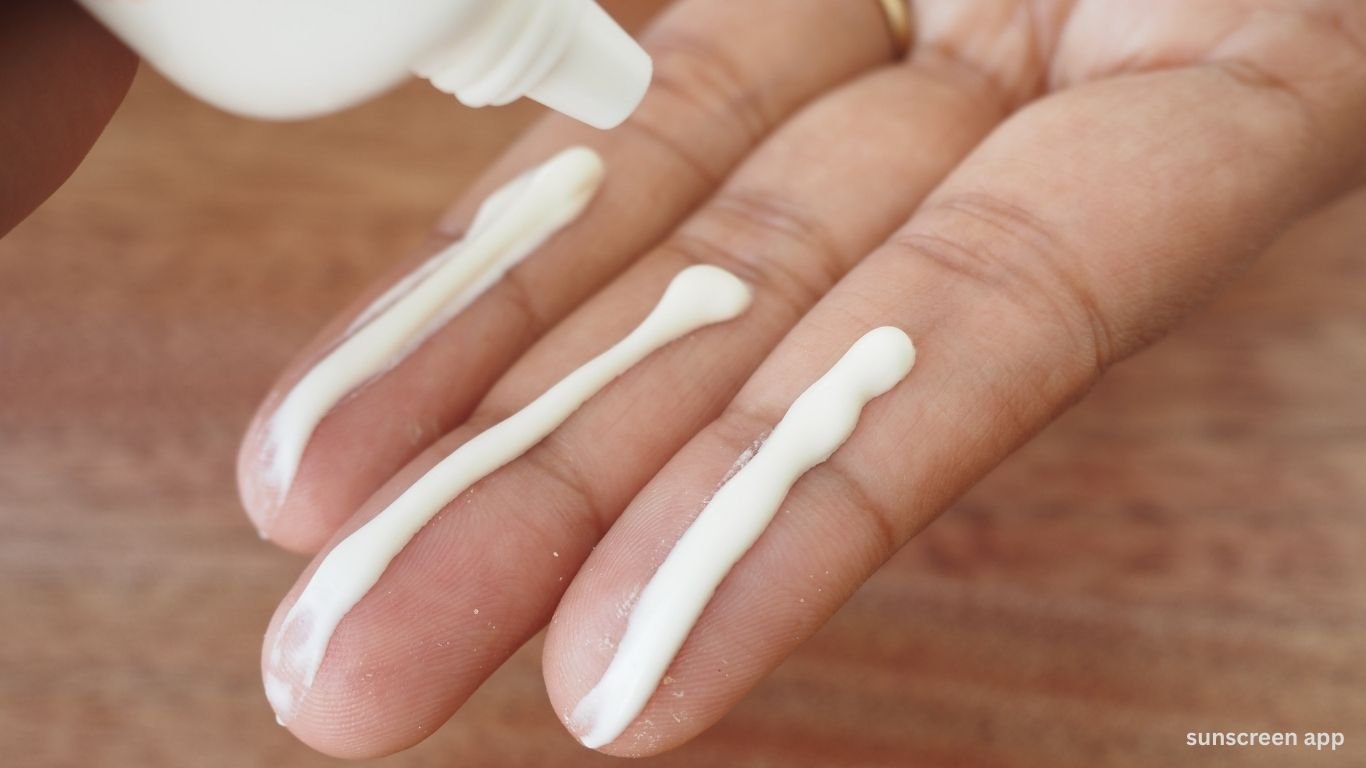
This is where most people fail at sun protection. You need approximately 1/4 teaspoon of sunscreen for your face and neck. That's about the size of a nickel.
- Face and neck: 1/4 teaspoon
- Each arm: 1/2 teaspoon
- Each leg: 1 teaspoon
- Front torso: 1 teaspoon
- Back torso: 1 teaspoon
- Total for full body: About 1 ounce (2 tablespoons)
The Harsh Reality
Studies show that most people apply only 25-50% of the recommended amount. If you're using SPF 50 but not applying enough, you might only be getting SPF 20 protection or less.
Common Sunscreen Myths Debunked
- "I don't need sunscreen on cloudy days" - Up to 80% of UV rays penetrate clouds. UVA rays are present year-round.
- "I'm indoors all day" - UVA rays penetrate windows. If you sit near windows, you're still getting UV exposure.
- "Dark skin doesn't need sunscreen" - All skin tones can experience photoaging and skin cancer from UV exposure.
- "Last year's sunscreen is fine" - Most sunscreens expire in 2-3 years. Check the expiration date.
- "Sunscreen prevents vitamin D" - Most people still produce adequate amounts. Take a supplement if concerned.
Best Sunscreens for Daily Use
Dermatologist-recommended protection
Your Daily Anti-Aging Investment
Sunscreen is the closest thing we have to a fountain of youth in a bottle. It's affordable, scientifically proven, and more effective than any anti-aging serum or treatment. Make sunscreen as automatic as brushing your teeth. Apply it every single morning, 365 days a year.
Explore More Beauty