
COMPLETE GUIDE
Intermittent Fasting
Unlock Cellular Renewal, Optimize Health & Extend Your Lifespan Through Time-Restricted Eating

Intermittent fasting (IF) is not a diet in the traditional sense, but rather an eating pattern that cycles between periods of eating and voluntary fasting on a regular schedule. Unlike conventional diets that focus on what you eat, intermittent fasting emphasizes when you eat.
This ancestral eating pattern mimics the natural feast-and-famine cycles our human ancestors experienced for millennia. Before the advent of agriculture and 24/7 food availability, humans naturally went extended periods without food. Our bodies evolved sophisticated mechanisms to not just survive these periods, but to thrive during them through cellular repair and optimization processes.
Intermittent fasting has exploded in popularity over the past decade as research has revealed its profound effects on metabolism, cellular health, and longevity. Studies show that IF can trigger autophagy (cellular cleanup), improve insulin sensitivity, reduce inflammation, and may even extend lifespan.
After 12-16 hours without food, your body exhausts its glucose stores and begins shifting from glucose-based energy to ketone-based energy. This "metabolic switch" triggers a cascade of cellular benefits including enhanced autophagy, improved mitochondrial function, and increased production of brain-derived neurotrophic factor (BDNF).
There's no one-size-fits-all approach to intermittent fasting. Different protocols suit different lifestyles, goals, and experience levels. Here are the most popular and well-researched methods:
Fast: 16 hours
Eat: 8-hour window
The most popular and beginner-friendly protocol. Typically involves skipping breakfast and eating between 12pm-8pm. Easy to maintain long-term and fits most lifestyles.
Best for: Beginners, daily consistency, sustainable weight management
Fast: 18 hours
Eat: 6-hour window
A more advanced version of 16:8, offering deeper autophagy benefits. Common eating window is 1pm-7pm. Requires more discipline but yields greater metabolic benefits.
Best for: Intermediate fasters, enhanced fat loss, deeper autophagy
Fast: 23 hours
Eat: 1-hour window
The most extreme daily fasting protocol. Eat one large, nutrient-dense meal per day. Maximizes autophagy and can be highly effective for weight loss, but challenging to meet all nutritional needs.
Best for: Advanced fasters, maximum autophagy, significant weight loss goals
Normal eating: 5 days
Restricted: 2 non-consecutive days (500-600 calories)
Eat normally five days per week, then restrict calories to 500-600 on two non-consecutive days. More flexible than daily fasting but still triggers metabolic benefits.
Best for: Those who prefer weekly structure, social flexibility
Pattern: Alternating feast and fast days
Fast every other day (or eat only 500 calories). On feast days, eat normally. Studies show powerful effects on weight loss and metabolic health, but can be challenging socially.
Best for: Experienced fasters, rapid weight loss, research-backed results
Duration: 24, 48, or 72+ hours
Complete water fasts lasting multiple days. Maximum autophagy and cellular renewal benefits. Should only be attempted by experienced fasters and ideally under medical supervision.
Best for: Advanced practitioners, maximum autophagy, metabolic reset
Start with 16:8 and gradually extend your fasting window as you become more comfortable. Listen to your body, and don't hesitate to adjust based on your lifestyle, workout schedule, and how you feel. The best protocol is the one you can maintain consistently.
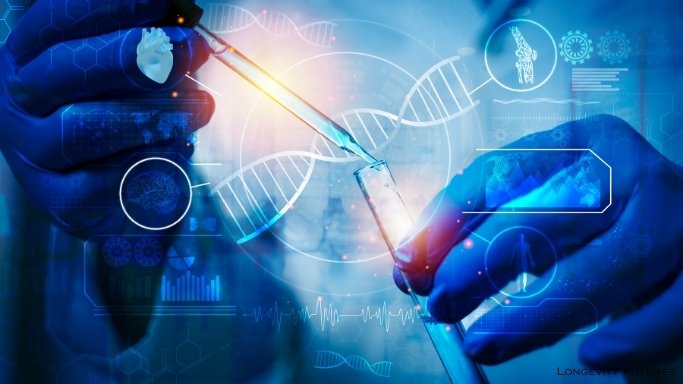
Perhaps the most exciting benefit of intermittent fasting is its ability to trigger autophagy, a cellular "housekeeping" process that literally means "self-eating." During autophagy, your cells break down and recycle damaged proteins, dysfunctional mitochondria, and other cellular debris.
Japanese cell biologist Yoshinori Ohsumi won the Nobel Prize for his groundbreaking work uncovering the mechanisms of autophagy. His research revealed how this process protects against diseases including cancer, neurodegeneration, and infections.
When you eat, your body is in "building mode" (anabolism), utilizing nutrients to grow and repair. When you fast, you shift into "cleanup mode" (catabolism), where the body begins breaking down old, damaged components for energy and recycling.
Autophagy typically begins after 12-16 hours of fasting and increases significantly after 24-48 hours. This process:
Research suggests that enhanced autophagy through fasting may protect against:
A 2019 study published in the New England Journal of Medicine reviewed decades of research and concluded that intermittent fasting triggers "adaptive cellular responses" that improve glucose regulation, increase stress resistance, and suppress inflammation.

IF naturally reduces calorie intake and increases metabolic rate by 3.6-14%. Studies show people lose 3-8% of body weight over 3-24 weeks, with significant reductions in belly fat.
Fasting reduces blood sugar by 3-6% and insulin levels by 20-31%, offering powerful protection against type 2 diabetes. Some studies show insulin resistance improvements within just 2 weeks.
IF increases production of BDNF (brain-derived neurotrophic factor) by up to 400%, promoting new neuron growth. May protect against Alzheimer's and improve memory and cognitive performance.
Fasting initiates crucial cellular repair processes, including autophagy. Damaged proteins are removed, dysfunctional mitochondria are cleared, and cells undergo comprehensive renewal.
Multiple studies show IF reduces markers of inflammation, a key driver of chronic diseases. C-reactive protein and other inflammatory markers decrease significantly with regular fasting.
Animal studies show IF extends lifespan by 30-40%. While human studies are ongoing, research suggests IF activates longevity genes (sirtuins) and reduces oxidative damage associated with aging.
IF improves multiple cardiovascular risk factors: reduces LDL cholesterol, triglycerides, blood pressure, and inflammatory markers. Some studies show 20-30% reductions in heart disease risk factors.
Preliminary research suggests IF may reduce cancer risk by reducing oxidative stress, inflammation, and IGF-1 levels. Fasting may also enhance the effectiveness of chemotherapy while protecting healthy cells.
Unlike traditional calorie restriction, which can slow metabolism by up to 10%, short-term fasting (up to 48 hours) actually increases metabolic rate. This happens due to increased norepinephrine (noradrenaline), which signals fat cells to break down body fat into free fatty acids for energy.
Research from 2000 showed that fasting for 48 hours increased metabolism by 3.6%, while a study in 2005 found that alternate-day fasting increased fat oxidation by up to 58% over just three weeks.
Intermittent fasting causes several important hormonal changes:
Women and Intermittent Fasting: Women may be more sensitive to fasting due to hormonal differences. Some women experience disrupted menstrual cycles or fertility issues with aggressive fasting. Consider:
Athletes and Active Individuals: IF can work well with exercise but requires strategic timing:
Always consult with a healthcare provider before starting any fasting regimen, especially if you have existing health conditions, take medications, or have concerns about your health. This article is for informational purposes only and should not replace professional medical advice.
The key to successful intermittent fasting is gradual progression and listening to your body. Here's a step-by-step approach to begin your fasting journey:
Build your foundation before fasting:
Start your overnight fasting habit:
Extend your fasting window:
Achieve the optimal fasting window:
The first 2-4 weeks can be challenging as your body adapts from being a "sugar burner" to a "fat burner." Common temporary side effects include hunger, irritability, brain fog, and low energy. These typically resolve as you become "fat-adapted." If symptoms persist beyond 4 weeks, consider adjusting your approach or consulting a healthcare provider.
This is one of the most common questions. Here's what will and won't break your fast:

Focus on nutrient density: When you eat less frequently, every meal counts. Prioritize:
Don't undereat: IF is not about extreme calorie restriction. Eat until satisfied during your window, ensuring you meet your nutritional needs.
During fasting, you lose water and electrolytes more quickly. This can cause:
Solution: Drink plenty of water and add electrolytes (sodium, potassium, magnesium) to your water during fasting periods. A pinch of high-quality sea salt in your morning water can work wonders.
Black coffee and tea can be powerful fasting allies:
Caution: Don't overdo it. Excessive caffeine on an empty stomach can cause jitteriness, anxiety, and GI distress. Stick to 1-3 cups during your fast.
Hunger is often psychological rather than physiological, especially when starting. Keep yourself occupied during fasting hours with:
You can absolutely exercise while fasting, but timing matters:
Fasted Cardio: Morning cardio in a fasted state can enhance fat burning. Keep intensity moderate (Zone 2).
Strength Training: Many people prefer training during their eating window to optimize recovery. If you train fasted, ensure you eat protein-rich meals within 2-3 hours post-workout.
Listen to Your Body: During the adaptation phase, reduce workout intensity if needed. Once adapted, many people find they perform just as well—or better—while fasting.
How you break your fast matters. Avoid:
Instead, break your fast with:
IF should enhance your life, not control it. It's okay to:
Keep a journal noting:
This helps you identify patterns, optimize your approach, and stay motivated by seeing your progress.
IF synergizes well with other evidence-based longevity strategies:
Reality: Short-term fasting (up to 48 hours) actually increases metabolic rate by 3.6-14%. "Starvation mode" only occurs after prolonged, severe calorie restriction over many weeks. IF alternates between feeding and fasting, preventing metabolic slowdown.
Reality: During fasting, growth hormone increases dramatically (up to 500%), which preserves muscle mass. Your body preferentially burns fat during fasting. Studies show IF combined with resistance training maintains or even increases muscle mass while reducing fat.
Reality: This notion was largely promoted by cereal companies. There's no metabolic magic to eating breakfast. What matters is your total daily nutrition and finding an eating pattern that works for your lifestyle and goals.
Reality: After the 2-4 week adaptation period, most people report reduced hunger and improved appetite regulation. Ghrelin (hunger hormone) becomes better regulated, and many fasters report feeling more energized and mentally clear while fasting.
Reality: As mentioned, short-term fasting increases metabolism. This is an evolutionary advantage—when food was scarce, your body needed MORE energy and alertness to find food, not less.
Reality: Once adapted, many athletes perform excellently while fasted. Fasted exercise may even enhance fat burning and metabolic flexibility. However, listen to your body during the adaptation phase and adjust intensity as needed.
Intermittent fasting is not a magic bullet, but it is a powerful tool backed by thousands of scientific studies and millions of successful practitioners worldwide. The benefits extend far beyond weight loss—from cellular autophagy to improved insulin sensitivity, enhanced brain function to potential longevity extension.
What makes IF particularly attractive is its simplicity. You don't need to count calories, weigh food, or follow complex meal plans. You simply adjust when you eat, not necessarily what you eat (though eating quality foods amplifies the benefits).
Whether your goals are weight management, disease prevention, cognitive enhancement, or longevity optimization, intermittent fasting offers a evidence-based, accessible approach that works with your body's natural biology.
The best time to start? Today. Begin with a simple 12-hour overnight fast and gradually progress from there. Your cells will thank you.
Remember: This article is for educational purposes only. Always consult with qualified healthcare professionals before making significant changes to your diet or lifestyle, especially if you have existing health conditions or take medications.