The Complete Retinoid Guide: From Retinol to Tretinoin
Everything you need to know about the gold standard in anti-aging skincare
What Are Retinoids and How Do They Work?
Retinoids are the most scientifically-proven anti-aging ingredients in skincare. They're derivatives of vitamin A that work at the cellular level to transform your skin from the inside out. Whether you're dealing with acne, fine lines, hyperpigmentation, or texture issues, retinoids are your answer.
Here's what makes retinoids so powerful:
- Increase cell turnover: They speed up the skin's natural exfoliation process, revealing fresh, healthy skin cells
- Boost collagen production: Retinoids stimulate fibroblasts to produce more collagen, reducing fine lines and wrinkles
- Unclog pores: By preventing dead skin cells from accumulating, they keep pores clear and reduce acne
- Fade hyperpigmentation: They inhibit melanin production and speed up the removal of pigmented cells
- Improve skin texture: Over time, retinoids create smoother, more even-toned skin
The Science: When you apply retinoids, your skin converts them into retinoic acid, the active form that binds to specific receptors in your cells. This triggers a cascade of events that ultimately remodels your skin at the DNA level, telling your cells to behave younger.
The Retinoid Strength Hierarchy
Not all retinoids are created equal. They exist on a spectrum from gentle to prescription-strength. Understanding this hierarchy is crucial for choosing the right product and avoiding irritation.
From Weakest to Strongest:
- Retinyl Palmitate - The gentlest option, requiring multiple conversions to become retinoic acid. Perfect for sensitive skin or complete beginners. Minimal irritation but also slower results.
- Retinol - The most popular over-the-counter option. Requires two conversions to become retinoic acid. Available in strengths from 0.25% to 1%. Offers a good balance of effectiveness and tolerability.
- Retinaldehyde (Retinal) - A newer option that's more stable than retinol and requires only one conversion. About 10x more effective than retinol with similar tolerability. Harder to find but worth seeking out.
- Tretinoin (Retinoic Acid) - Prescription-only. The gold standard and most effective retinoid. No conversion needed as it's already in active form. Most dramatic results but highest risk of irritation. Brand names include Retin-A and Renova.
The general rule: the fewer conversions needed, the more potent and fast-acting the retinoid, but also the higher the risk of side effects like redness, peeling, and dryness.
How to Start Using Retinoids Safely
The biggest mistake people make with retinoids is going too hard, too fast. This leads to the dreaded "retinization" period becoming unbearable, causing many to quit before they see results. Here's how to do it right:
Step 1: Start Low and Slow
- Beginners: Start with 0.25% or 0.3% retinol, used twice per week
- Intermediate: Progress to 0.5% retinol, three times per week
- Advanced: Move up to 1% retinol nightly, or consider prescription tretinoin
Step 2: The Application Method
- Cleanse your face and pat completely dry (wait 15-20 minutes if skin is very sensitive)
- Apply a pea-sized amount to your entire face, avoiding the eye area
- Wait 10-15 minutes before applying other products
- Follow with a rich, non-comedogenic moisturizer
- Apply in the evening only - retinoids break down in sunlight
Critical Rule: You MUST wear sunscreen daily when using retinoids. They make your skin more sensitive to UV damage. Use SPF 30 or higher every single day, even when it's cloudy.
Step 3: Gradual Increase
Only increase frequency or strength when your skin shows no irritation for at least 2-4 weeks. This might feel slow, but it's the path to success. Rush it, and you'll end up with damaged skin barrier and have to start over.
Managing Side Effects: Peeling, Dryness, and Irritation
Some degree of adjustment is normal when starting retinoids. Your skin is undergoing significant cellular changes. Here's what to expect and how to manage it:
Common Side Effects:
- Dryness and flaking: The most common issue, especially in the first 4-6 weeks
- Redness and sensitivity: Your skin may look slightly inflamed
- Purging: Increased breakouts in the first month as the retinoid brings congestion to the surface faster
- Tightness: Your skin may feel temporarily tight or uncomfortable
How to Minimize Irritation:
- Moisturize generously: Use a rich, ceramide-based moisturizer. Look for ingredients like niacinamide, hyaluronic acid, and ceramides
- Simplify your routine: Pause active ingredients like AHAs, BHAs, and vitamin C while adjusting
- Use the sandwich method (explained below)
- Apply to completely dry skin: Damp skin increases absorption and irritation
- Take breaks if needed: If irritation becomes severe, pause for 2-3 days, then resume at lower frequency
When to Stop: If you experience severe burning, oozing, or persistent redness that doesn't improve after reducing frequency, stop using the product and consult a dermatologist. You may need a gentler formulation.
The Sandwich Method and Buffering
These techniques help your skin tolerate retinoids better, especially when starting out or using stronger formulations.
The Sandwich Method
This technique involves "sandwiching" your retinoid between two layers of moisturizer to reduce irritation while still getting benefits.
How to do it:
- Apply a thin layer of moisturizer to clean, dry skin
- Wait 5-10 minutes
- Apply your retinoid product
- Wait another 5-10 minutes
- Apply a second layer of moisturizer
Strategic Buffering
You can also buffer specific sensitive areas while applying retinoid full-strength to less sensitive zones:
- Buffer these areas: Around eyes, mouth corners, neck, and chest
- Full strength: Forehead, cheeks, chin
- Skip entirely: Eyelids, lips
As your skin builds tolerance, you can gradually reduce buffering until you're applying retinoid directly to clean skin.
When to See Results: The 12-Week Minimum
Patience is essential with retinoids. They work by changing how your skin cells behave, which takes time. Here's a realistic timeline:
Expect irritation, peeling, and possible purging. Your skin may look worse before it looks better. This is normal and temporary. Don't give up.
Irritation starts to calm down. Skin begins to adjust. You might notice subtle improvements in texture, but major changes haven't occurred yet.
This is when you start seeing real changes: smoother texture, clearer pores, more even tone. Your skin is genuinely transforming.
Significant improvements in fine lines, hyperpigmentation, and overall skin quality. People start noticing your "glow."
Peak results for collagen production and skin remodeling. Studies show continued improvement up to one year of consistent use.
The Golden Rule: Give any retinoid at least 12 weeks of consistent use before deciding if it works for you. Retinoids are a marathon, not a sprint. Those who stick with it are rewarded with genuinely transformed skin.
Pro Tips for Retinoid Success
- Don't mix retinoids: Using multiple retinoid products won't give faster results, just more irritation
- Store properly: Keep retinoids in a cool, dark place. They degrade with light and heat exposure
- Be consistent: Results come from consistent use over months, not sporadic application
- Manage expectations: Retinoids dramatically improve skin but won't erase deep wrinkles or change facial structure
- Pregnancy warning: Do NOT use retinoids if pregnant, trying to conceive, or breastfeeding. They can cause birth defects
- Consider timing: Start retinoids during a time when you can be patient with your skin (not right before a big event)
- Pair with antioxidants: Using vitamin C in the morning and retinoids at night is a powerful anti-aging combination
Recommended Products
Essential Retinoid Products
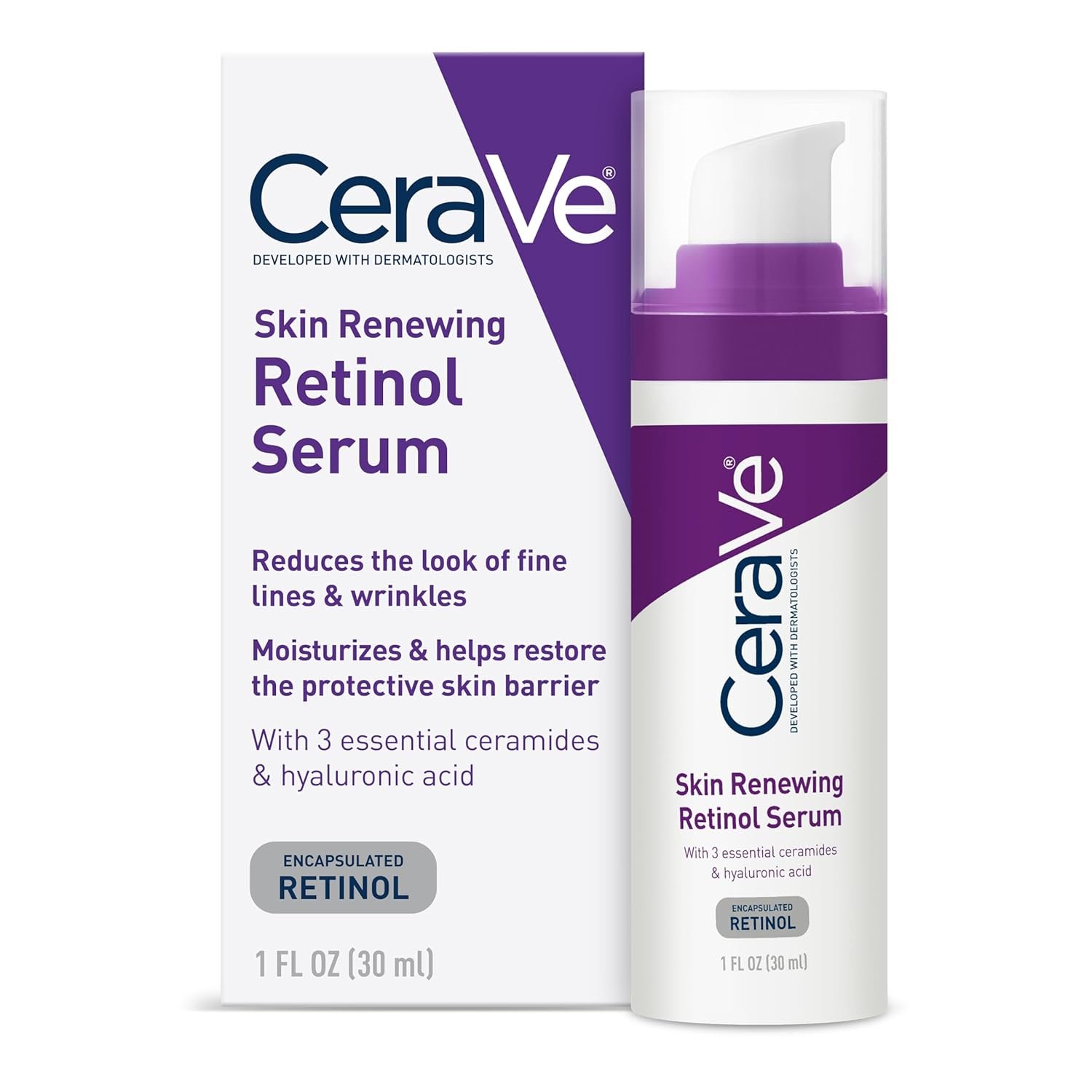
Encapsulated retinol for gentler delivery. With hyaluronic acid, niacinamide, and ceramides for barrier support.
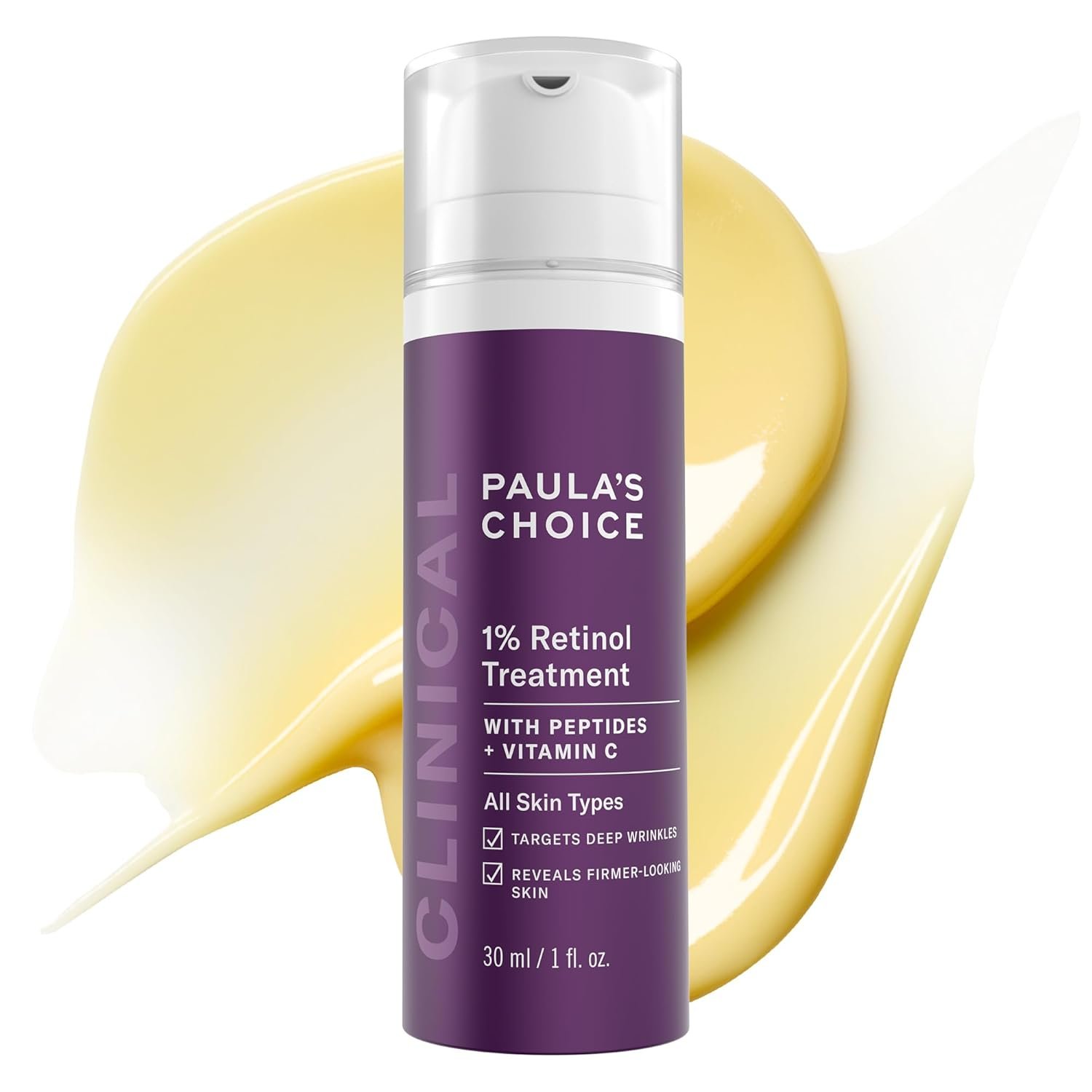
Maximum OTC strength with peptides and vitamin C. For advanced users ready for powerful anti-aging.
Final Thoughts
Retinoids are the single most evidence-based anti-aging ingredient in skincare. Decades of research and millions of users have proven their effectiveness for everything from acne to wrinkles to hyperpigmentation. But they require patience, consistency, and smart application.
Start slow, be patient through the adjustment period, and trust the process. In 3-6 months, you'll understand why dermatologists consider retinoids the gold standard. Your future skin will thank you for starting today.
Remember: The best retinoid is the one you'll actually use consistently. Start with what feels right for your skin and budget, follow the guidelines in this article, and give it time to work. Consistency beats perfection every time.