The Four Pillars of Inside-Out Beauty
Hormones
Balance for clear skin
Stress
Cortisol control
Sleep
Repair & regenerate
Liver
Detox & clarity
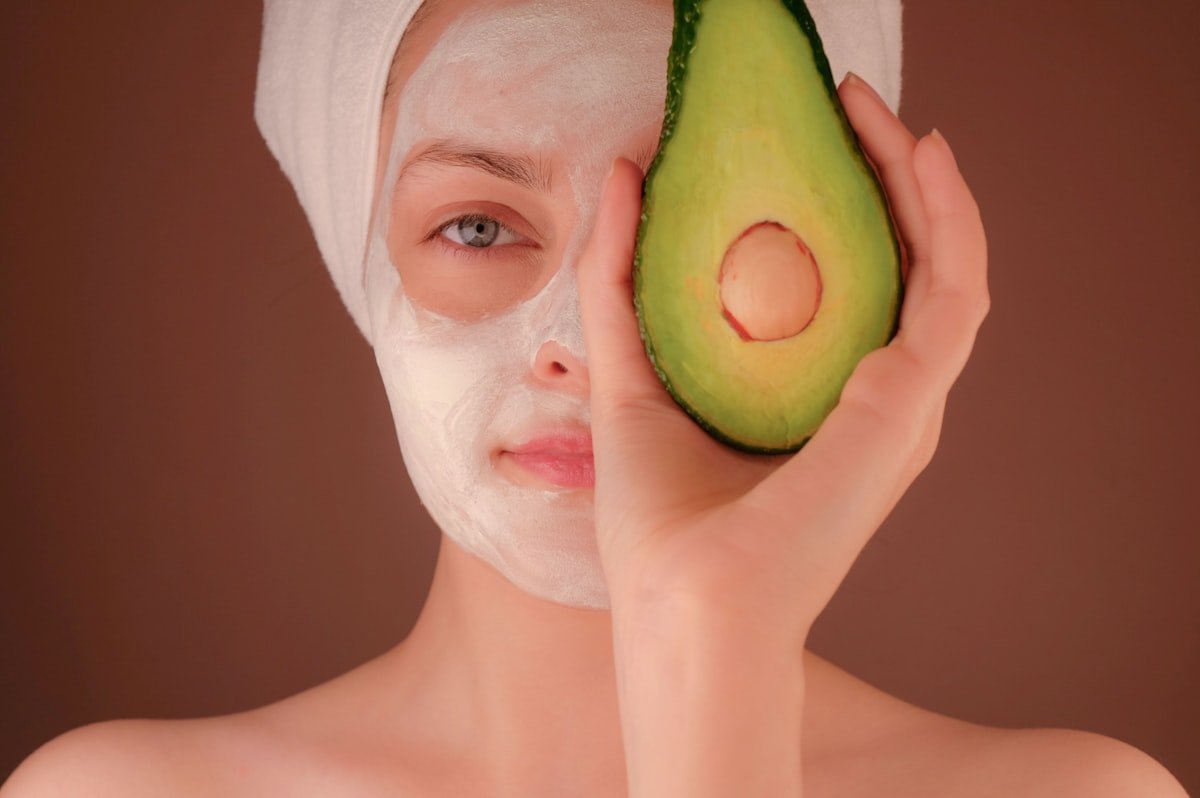
Your hormonal balance, stress levels, sleep quality, and liver function profoundly impact your appearance. No skincare routine can fully compensate for internal imbalances. This comprehensive guide covers the four pillars of inside-out beauty that determine how you look and age.

1. Hormonal Acne: Understanding & Balancing Your Skin
Hormonal acne is driven by androgens (testosterone, DHEA, DHT) that stimulate sebum production, alter skin cell turnover, and trigger inflammation. It typically appears along the jawline, chin, and lower cheeks as deep, painful cysts.
The Menstrual Cycle Connection
- Follicular Phase (Days 1-14): Rising estrogen suppresses sebum, leading to clearer skin
- Ovulation (Day 14): Testosterone peaks slightly; minor breakouts possible
- Luteal Phase (Days 15-28): Progesterone rises, estrogen drops - this is when breakouts strike
PCOS and Skin
Polycystic Ovary Syndrome creates a perfect storm: elevated androgens cause persistent acne, excess oil, and sometimes unwanted hair growth. The insulin resistance common in PCOS further stimulates androgen production, creating a vicious cycle.
Natural Hormone Balancing Strategies
- Blood sugar balance: Eat protein and healthy fats with each meal; avoid refined carbs and sugar
- Cruciferous vegetables: Broccoli, cauliflower, kale support healthy estrogen metabolism
- DIM (Diindolylmethane): 100-200mg daily supports estrogen balance
- Spearmint tea: 2 cups daily has anti-androgenic properties
- Zinc: 30-50mg daily regulates sebum and reduces inflammation
- Omega-3s: 2g daily reduces inflammatory acne

2. Cortisol & Skin Aging: How Stress Destroys Your Glow
Chronic stress elevates cortisol, which breaks down collagen, triggers inflammation, and accelerates aging more than almost any other factor. Studies show chronic stress can reduce skin collagen by up to 40% in the first year.
How Cortisol Damages Skin
- Collagen breakdown: Cortisol triggers enzymes (MMPs) that actively destroy collagen and elastin
- Impaired synthesis: High cortisol prevents fibroblasts from producing new collagen
- Inflammation: Chronic cortisol triggers inflammatory cytokines that accelerate aging
- Barrier damage: Cortisol disrupts lipid production, leading to dehydration and sensitivity
- Slow healing: Stressed skin heals up to 40% slower
Visible Signs of Stress Aging
- Deep forehead and frown lines
- Dark circles and under-eye puffiness
- Dull, sallow complexion
- Adult acne and breakouts
- Increased sensitivity and redness
- Premature sagging
Stress Management for Skin
- Sleep: 7-9 hours - cortisol naturally drops during quality sleep
- Meditation: 10-15 minutes daily can reduce cortisol by up to 25%
- Exercise: Moderate cardio 4-5x/week; avoid overtraining which raises cortisol
- Nature exposure: 20+ minutes outdoors significantly reduces cortisol
- Boundaries: Limit stressful news, toxic relationships, overcommitment
Adaptogens for Cortisol Control
- Ashwagandha (KSM-66): 300-600mg daily - reduces cortisol up to 30%
- Rhodiola rosea: 200-600mg daily - prevents cortisol spikes during acute stress
- L-Theanine: 100-200mg - promotes calm without sedation

3. Beauty Sleep: How Sleep Repairs & Regenerates Skin
Beauty sleep isn't a myth - it's biology. During sleep, skin cell regeneration nearly doubles, growth hormone peaks, and collagen production reaches its maximum. Sleep deprivation accelerates aging more than almost any lifestyle factor.
What Happens During Sleep
- Growth hormone surge: HGH peaks during deep sleep, stimulating cell regeneration and collagen synthesis
- Blood flow increases: Enhanced circulation delivers oxygen and nutrients to skin
- Cortisol drops: Allows repair processes to proceed without interference
- Skin permeability increases: Up to 30% more receptive to active ingredients
- Cell turnover peaks: Maximum between 11 PM and 4 AM
Sleep Deprivation Effects
Just one night of poor sleep results in more fine lines, reduced elasticity, and uneven pigmentation. Chronic poor sleep accelerates skin aging equivalent to adding years to your biological age.
Sleep Optimization for Skin
- Duration: 7-9 hours allows 4-6 complete sleep cycles
- Temperature: Keep bedroom cool (60-67F/15-19C)
- Darkness: Use blackout curtains; darkness promotes melatonin
- Consistency: Same sleep/wake times, even weekends
- Screen curfew: No blue light 1-2 hours before bed
- Silk pillowcase: Reduces friction and sleep wrinkles
- Humidity: 40-60% prevents overnight dehydration
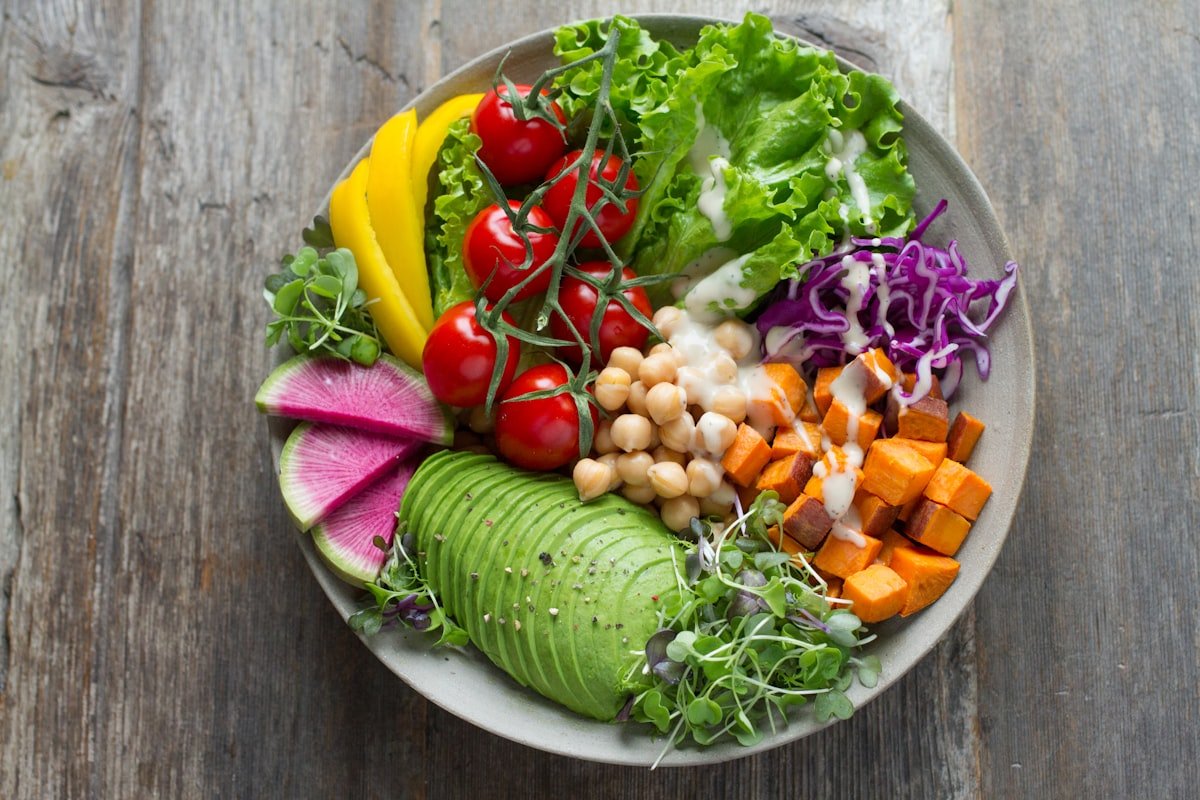
4. Liver Health & Skin Clarity: The Detox Connection
Your liver processes over 500 functions daily, including filtering toxins, metabolizing hormones, and purifying blood. When liver function is compromised, your skin often becomes a secondary detoxification pathway - leading to breakouts, dullness, and inflammation.
How Liver Affects Skin
- Toxin elimination: Overburdened liver = toxins manifest as skin issues
- Hormone metabolism: Liver clears excess estrogen and androgens - sluggish processing causes hormonal acne
- Blood purification: Clean blood = clearer skin
- Nutrient conversion: Liver converts nutrients into forms skin cells can use
Signs Your Skin Issues Are Liver-Related
- Persistent acne along jawline and between eyebrows
- Dull, yellowish or grayish complexion
- Dark circles that don't improve with sleep
- Unexplained itching without visible rash
- Age spots and hyperpigmentation
- Associated symptoms: bloating, fatigue, chemical sensitivity
Liver-Supporting Foods
- Cruciferous vegetables: Broccoli, cauliflower, kale - support Phase II detox
- Leafy greens: Chlorophyll binds toxins for elimination
- Citrus: Vitamin C supports glutathione production
- Garlic & onions: Sulfur compounds activate liver enzymes
- Beets: Betalains support detoxification and bile flow
- Turmeric: Curcumin protects liver cells (take with black pepper)
- Green tea: EGCG supports liver function
Liver Support Supplements
- Milk Thistle (Silymarin): 150-300mg 2-3x daily - the gold standard for liver protection
- NAC: 600-1200mg daily - replenishes glutathione, the master antioxidant
- Dandelion Root: Tea or 500-1000mg - stimulates bile production
- Alpha-Lipoic Acid: 300-600mg - supports both Phase I and II detox
Detox Myth: You don't need juice cleanses or detox teas. Your liver detoxifies 24/7 naturally. Focus on reducing toxic burden (alcohol, processed foods, chemicals) and supporting ongoing detoxification with nutrients - not extreme measures.
The Integration: How These Systems Connect
These four pillars don't operate in isolation - they're deeply interconnected:
- Stress raises cortisol which disrupts hormones, impairs sleep, and burdens the liver
- Poor sleep elevates cortisol and impairs liver detoxification
- Liver dysfunction prevents proper hormone clearance, worsening hormonal acne
- Hormonal imbalances affect sleep quality and stress resilience
Addressing one area often improves the others. The most impactful starting points are usually sleep and stress management - improvements here cascade to hormones and liver function.
Recommended Supplements
Support your four pillars with these targeted supplements:
Hormone Balance
Stress & Cortisol Management
Sleep Support
Liver Support
We may earn a small commission at no extra cost to you
The Bottom Line
Your skin is a mirror of your internal health. Hormonal balance, stress management, quality sleep, and liver function are the four pillars that determine how you look and age - far more than any topical product ever could.
Start with the basics: prioritize 7-9 hours of sleep, practice daily stress management, eat whole foods that support your liver, and address hormonal imbalances through diet and targeted supplementation. These changes compound over time, creating the foundation for lasting beauty from within.
Remember: transformation takes time. Give these strategies 8-12 weeks of consistent practice before expecting visible results. Your skin cells today began their journey weeks ago - the improvements you make now will show in the months ahead.